Alka Gurha
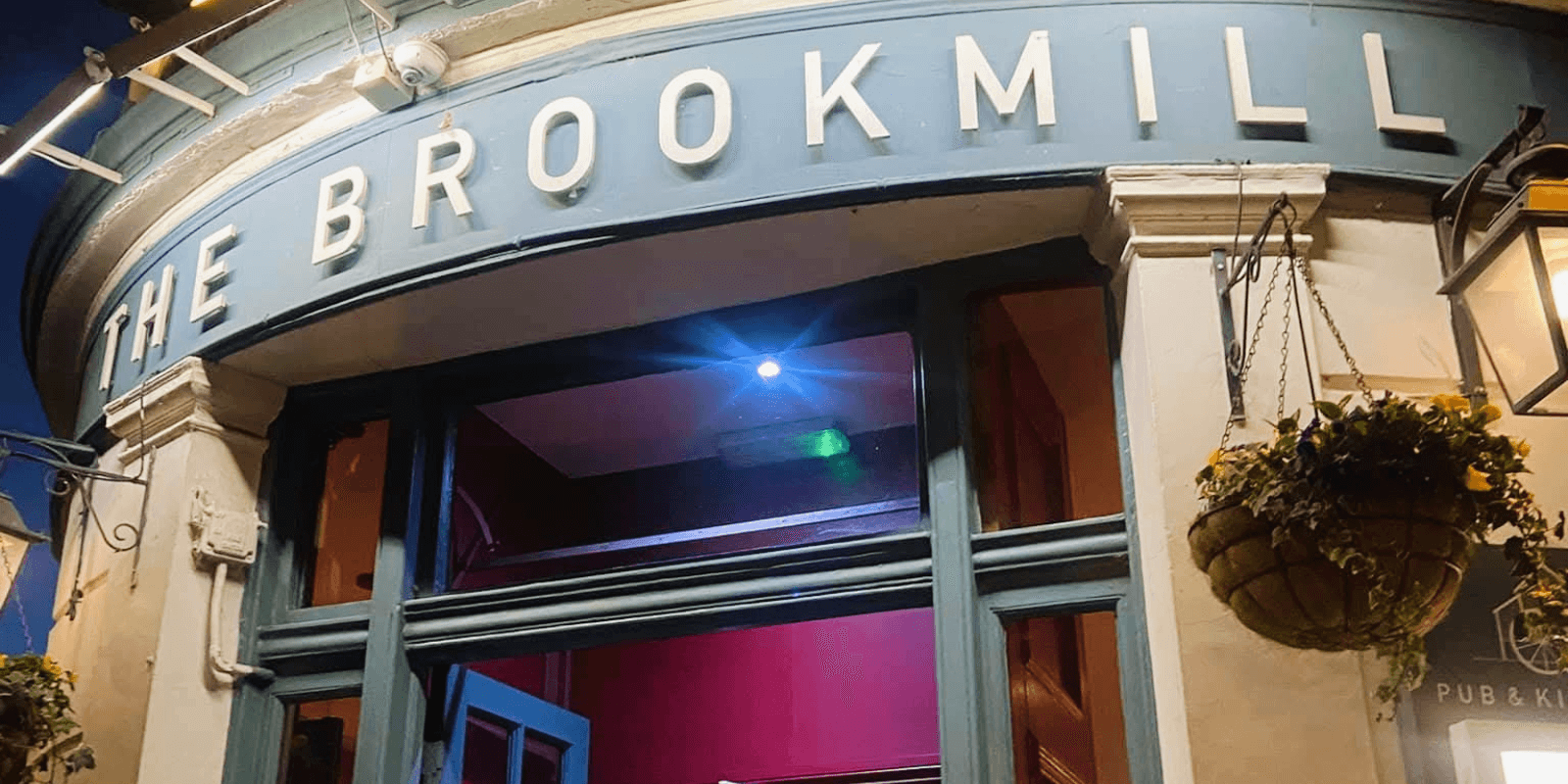
While in London, I would pass by a pub and sit on a bench in the local park, where I’d read a book and watch Londoners of diverse ethnicities and from disparate cultures merge seamlessly. If you are a writer of any kind, you can observe people and spin stories in your head without getting bored. On one overcast morning, when it was drizzling, I stepped into the pub to escape the chill. I was pleasantly surprised to see a father reading a storybook to his five-year-old daughter. One couple was engrossed in solving a crossword puzzle while enjoying fresh beer, and a family, accompanied by their dog, was playing darts and board games.
It made me realise how ‘pub culture’ in the UK is deeply ingrained in the country’s social fabric. It’s an intrinsic part of their way of life, a space where folks socialise, watch a good game, and meet friends and family. I struck more conversations with strangers in pubs than anywhere else, and it was refreshing to have a lively discussion with people we had just met. In fact, it felt as if I had walked into a community club, where neighbourhood families gather for quiz nights or karaoke evenings.
Compared to the well-known custom of afternoon tea, the vibe in pubs is more casual, welcoming, and informal. While location matters, you will spot a pub in almost every nook and corner. They are chosen for their proximity to the home and the workplace. Many London pubs in residential areas cater to families during the day, with some of them serving meals to toddlers and children. On game nights, these places transform into buzzing spaces where people cheer on the teams they support over a drink, a trend that has caught on across the big cities. But interestingly, many pubs in the UK have their own sports team, and often screen sporting events, along with a pub quiz that was established in the 1970s.
The word ‘pub’ is short for public house, and most villages boast a quaint pub rooted in history. While the more modern bar offers fancy cocktails, pubs are akin to a friend’s house, sports bar, coffee shop and community centre rolled into one. Samuel Pepys, the 17th-century English writer and Tory politician, described pubs as the ‘heart’ of England. Several British pubs compete for the ‘oldest’ title but The Bingley Arms in Leeds, West Yorkshire, and The Porch House in picturesque Cotswolds, date back to the 10th century. Indeed, the Guinness Book of Records authenticates The Porch House as the oldest English pub, one that also embraces local produce and flavours.
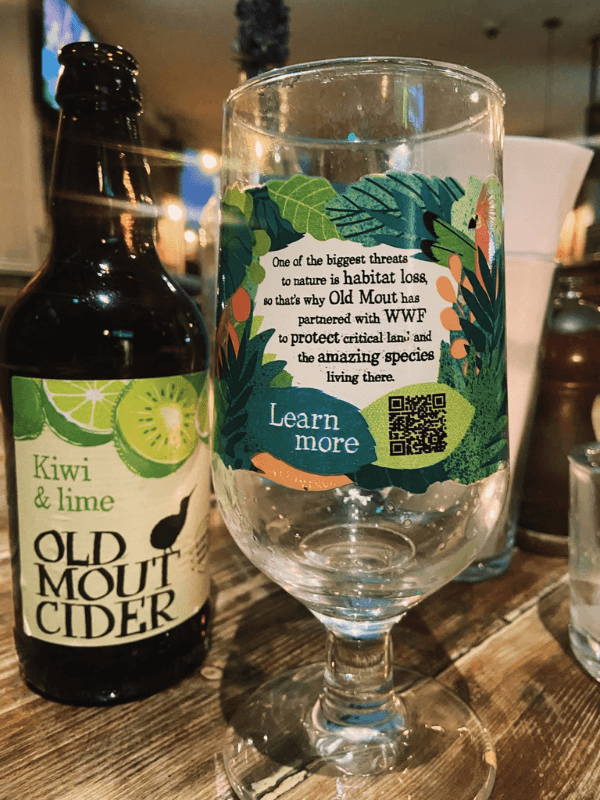
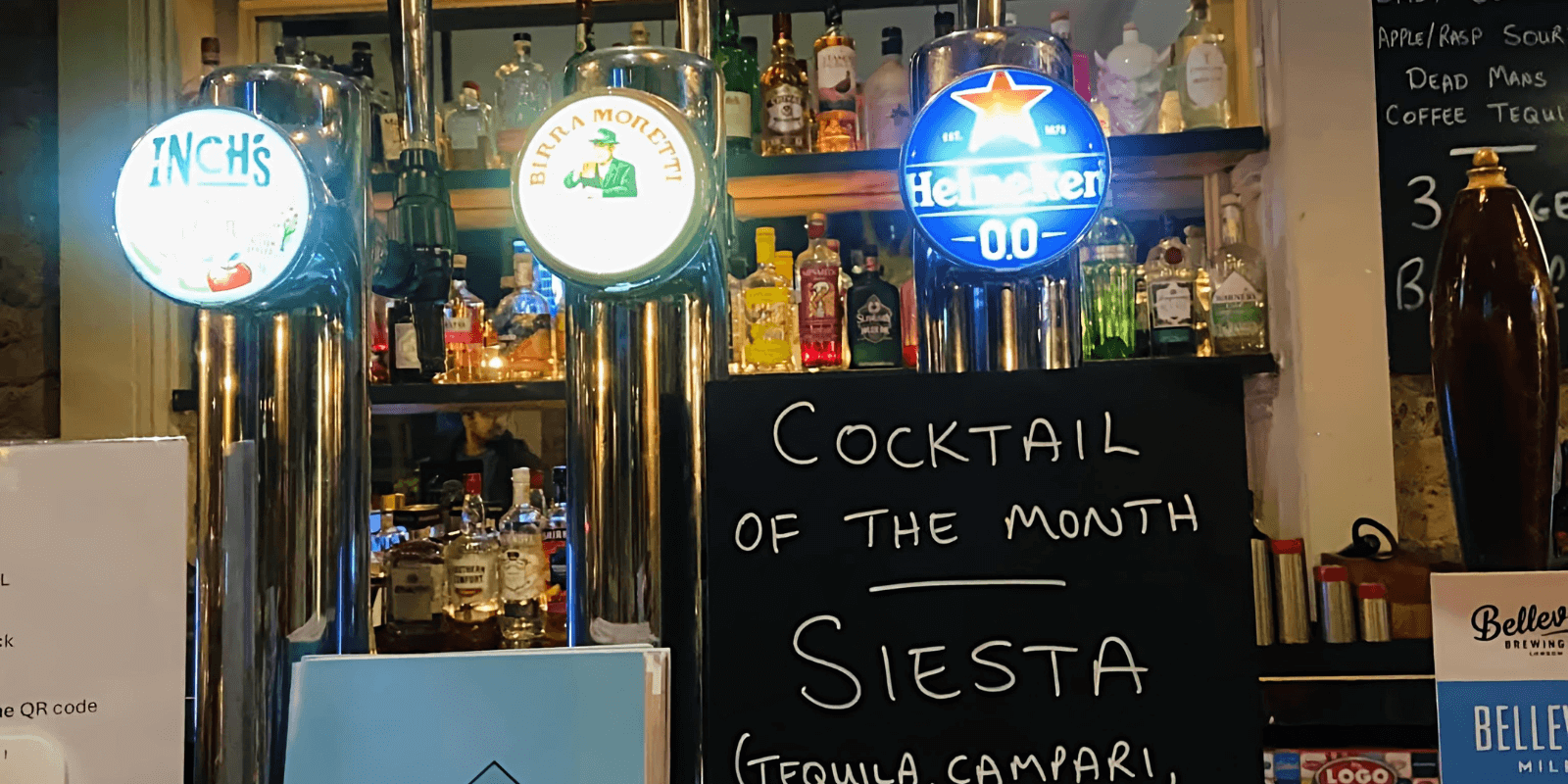
At a traditional British pub, you can choose from tap beer, ale and lager, as well as wines, ciders and spirits. I quite enjoyed the flavoured ciders, which reminded me of the Breezers back home. And when it comes to food, most pubs serve fish and chips, sausages, homemade pies, pasties, and crisps. Then there’s the hearty Sunday Roast, usually available from midday to 4 pm, which would include classic roast beef, pork and lamb, along with potatoes and the iconic Yorkshire pudding.
In many small towns and villages across the nation, public houses are a focal point of local communities. Several countryside pubs have undergone extensive renovations in order to retain their quiet country charm. Looking out over vine-clad terraces and rolling farms, and with well-worn wooden tables, these markers of Britain’s social heritage appear as if they’ve come straight out of a storybook. Add the dog-friendly environment, and a menu that combines seasonal bounty with local produce, and it makes for the perfect day out for the family.
And the historical context only enhances the appeal of the pub experience. So, if you’re going to be in London this year, make sure to drop in at a pub—there really is no better way to appreciate this uniquely British tradition and its communal spirit.
--ends--