Sharad kohli
Sharad Kohli
The recent storm in a teacup that Belfast hip-hop trio Kneecap kicked up brought to the fore the bond between music and politics in Ireland, and evoked memories of the courage of one of the country’s finest daughters, the late Sinéad O’Connor. At the Coachella festival in April, Liam Óg Ó hAnnaidh, Naoise Ó Cairealláin, and J. J. Ó Dochartaigh were unequivocal in their condemnation of Israel for its genocide against the Palestinians, a stance that predictably brought forth a wave of moral indignation, which the three took in their stride.
For a relatively small nation in the northwestern corner of Europe, Ireland – made up of the Republic of Ireland and Northern Ireland (the latter an imperial relic of the British, and their diabolical divide-and-rule policy) – punches well above its weight in every domain. But it’s in the realms of song and literature that the Emerald Isle can boast of a heritage as rich as any country, her musicians and writers having earned fame, respect and love well beyond her borders.
The compositions of Eire’s women and men of music call upon a culture of resistance and resilience in the face of the tyranny the people of this land once endured. Indeed, there’s a tradition of songsters and lyricists confronting despots and despotism, at home and abroad, through folk, rock, and hip-hop. Dublin post-punk outfit Fontaines DC too haven’t shied away from speaking their minds: at a recent awards ceremony, the band’s guitarist Carlos O’Connell showed solidarity with Palestine while lashing out at Israel’s prime minister and its murderous Zionist ideology.
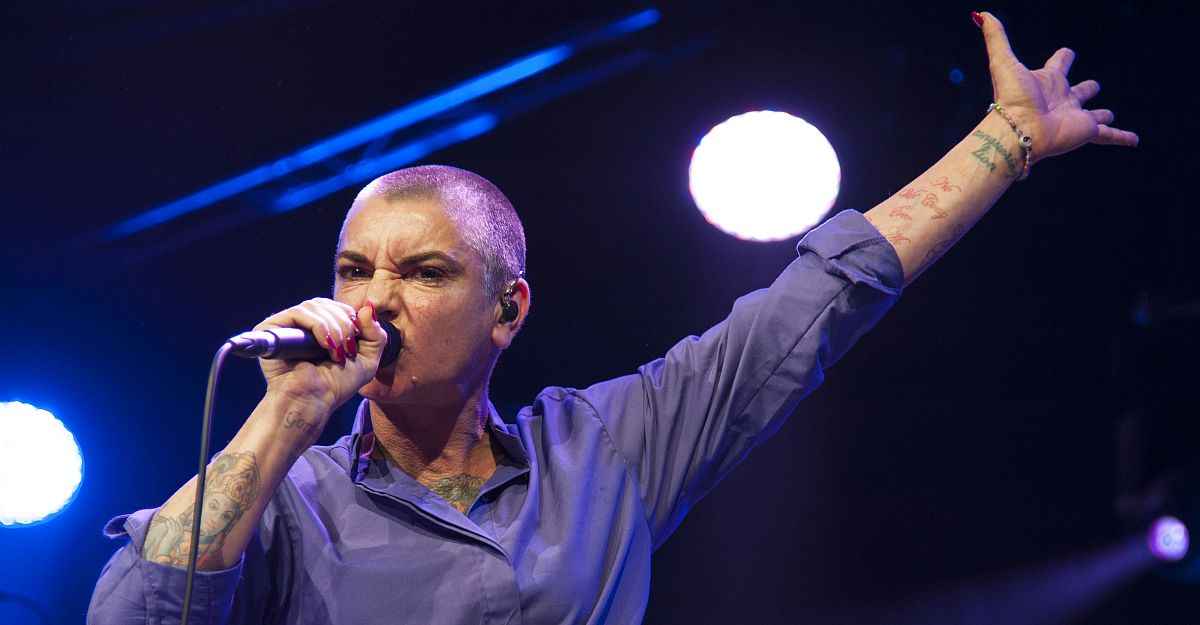
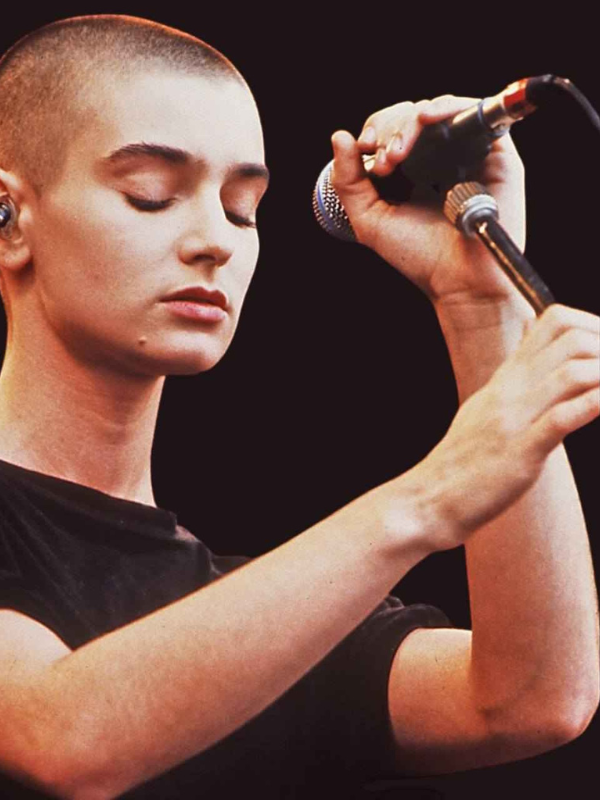
As much as U2, and to a lesser extent The Boomtown Rats, showed little fear in taking on the day’s politics, perhaps the most political artist to emerge from the island was Sinéad O’Connor, who would later change her name to Shuhada’ Sadaqat after converting to Islam.
O’Connor was the original gadfly. Raised by a violent mother and abusive father, hers was a dysfunctional and unhappy childhood, spent in and out of boarding schools, and once at a centre for kids with behavioural problems. After being caught shoplifting and playing truant, it was music that kept young Sinéad out of any further trouble. She would go on to become a fearlessly outspoken artist on issues as wide-ranging as the sexual exploitation of children, human rights, women’s rights, and racism.
Her forthright views often landed O’Connor in controversy, none more so than in 1992, when she tore up a photo of the Pope (then John Paul II) in front of a live audience, in a symbolic gesture of protest at the sexual abuse of boys and girls in the Roman Catholic Church. “Fight the real enemy,” she implored, before throwing the pieces to the floor. It would be a decade until the world discovered the extent of the institutional rot, and the cover-up behind it, when Pope John Paul came out with a mea culpa. But when the shocking details had still to emerge, O’Connor demonstrated audacity in speaking truth to the power of the church.
The moment came following her a cappella performance of Bob Marley’s 1976 composition, ‘War’, whose lyrics she had reworked, making it into a song as much about child abuse as it was about racism. The episode drew forth a torrent of denunciation, from organisations and individuals alike, and a chorus of jeering when next she took to the stage, at Bob Dylan’s 30th anniversary tribute concert in New York. For all the flak she received, O’Connor would never regret her actions, writing in her autobiography (‘Rememberings’) many years later that it felt more authentic to her to be a protest singer than a successful pop star.
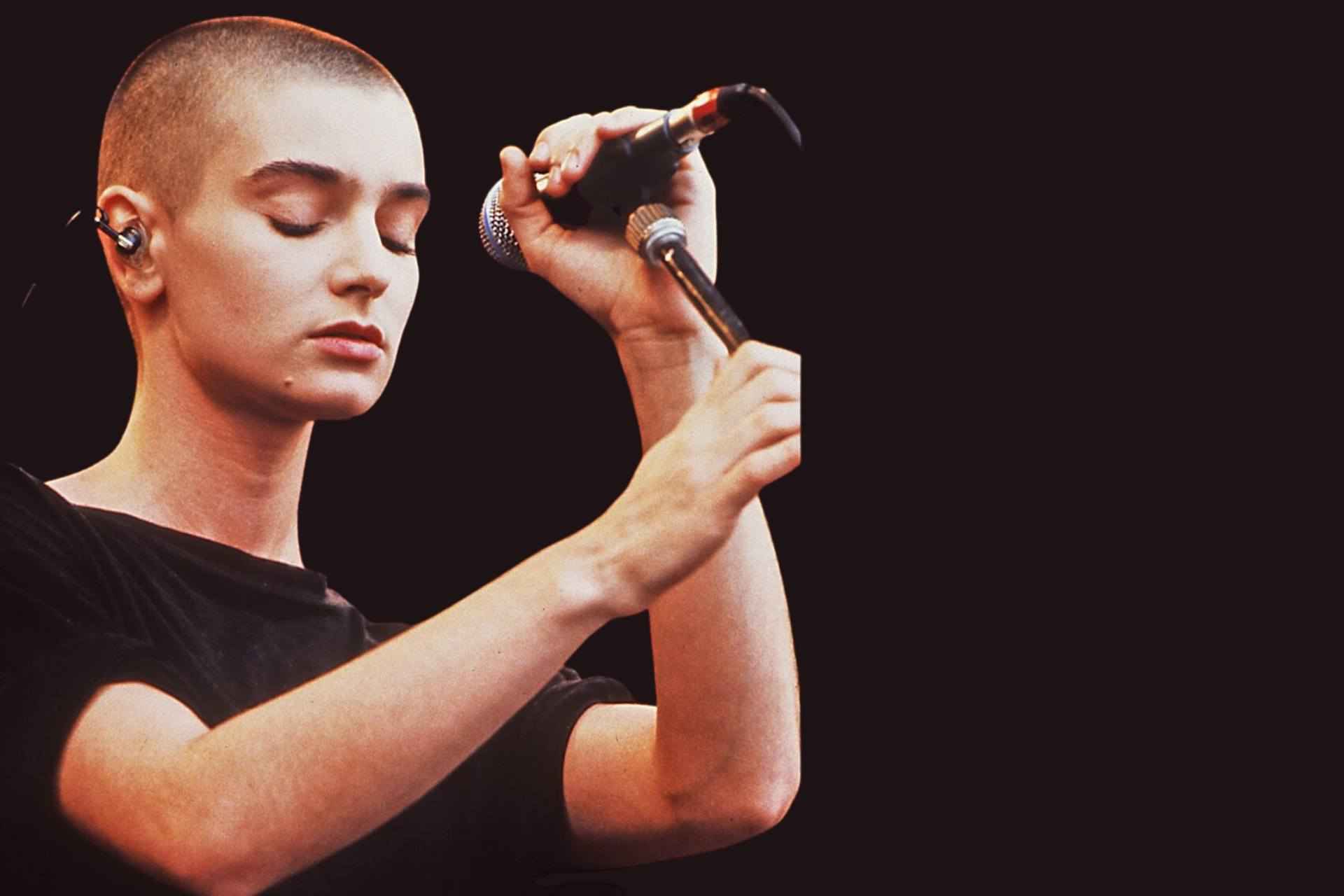
While the spotlight wouldn’t pursue her as much as it did in her 20s, O’Connor continued to make politically charged music, to speak up and speak out on issues close to her heart, whether in her lyrics or through interviews. A chameleon like David Bowie, she experimented with genres, the better to get her message across. She embraced reggae for a whole album (‘Throw Down Your Arms’, 2005), wrote original Rastafari spirit songs (‘Theology’), and “sexed up” (her words) traditional Irish folk songs.
In 2014, O’Connor was just as vocal as Kneecap would be 11 years later, when she refused to perform in Israel, explaining, “Let’s just say that, on a human level, nobody with any sanity, including myself, would have anything but sympathy for the Palestinian plight.” Her conversion to Islam arrived in 2018, a step she acknowledged as the “natural conclusion of any intelligent theologian’s journey.”
Hozier, now 10 years into a critically and commercially successful career, taps into the same spirit of rebellion. He frequently employs religious and literary references to comment on political and social issues. The County Wicklow-born singer is driven by a desire to see justice across society, his work imbued with a streak of activism. Hozier’s songs have called out violence against the LGBTQ community (Take me to Church), domestic violence (Cherry Wine), the relentless impoverishment of the working class (But the Wages), and regressive policies that continue to subjugate women by impinging on their reproductive rights and placing tourniquets on their freedom (Swan Upon Leda).
In 2024, at Lollapalooza, Hozier performed the unreleased Nobody’s Soldier and called for a ceasefire in Gaza. In showing solidarity with the Palestinians, he was staying true to Irish tradition, and following in the footsteps of politically and socially aware artists whose hearts were always in the right place. After all, Ireland was the first target of the viciously colonising British, and it’s why the Irish can empathise with the oppressed anywhere.
--ends--