Shobhamoy das
Kashmir has endured decades of challenges, with violence and unrest casting shadows over this magnificent region due to cross-border terrorism. Yet, what struck me most profoundly during my last visit was the resilience of its people and their unwavering Indian spirit. The warmth with which local Kashmiris welcomed us, their genuine hospitality, and their pride in sharing their homeland’s beauty with visitors from across India revealed a truth often overshadowed by headlines – that the heart of Kashmir beats with unity, not division.
The flight from Delhi to Srinagar began like any other, but as we approached the Kashmir Valley, the aircraft windows transformed into picture frames showcasing nature’s masterpiece. The majestic Himalayan peaks emerged through the clouds, their snow-capped summits gleaming in the morning sun. The Pir Panjal range stretched endlessly, a dramatic prelude to what awaited us.
Dal Lake: Heart of Srinagar
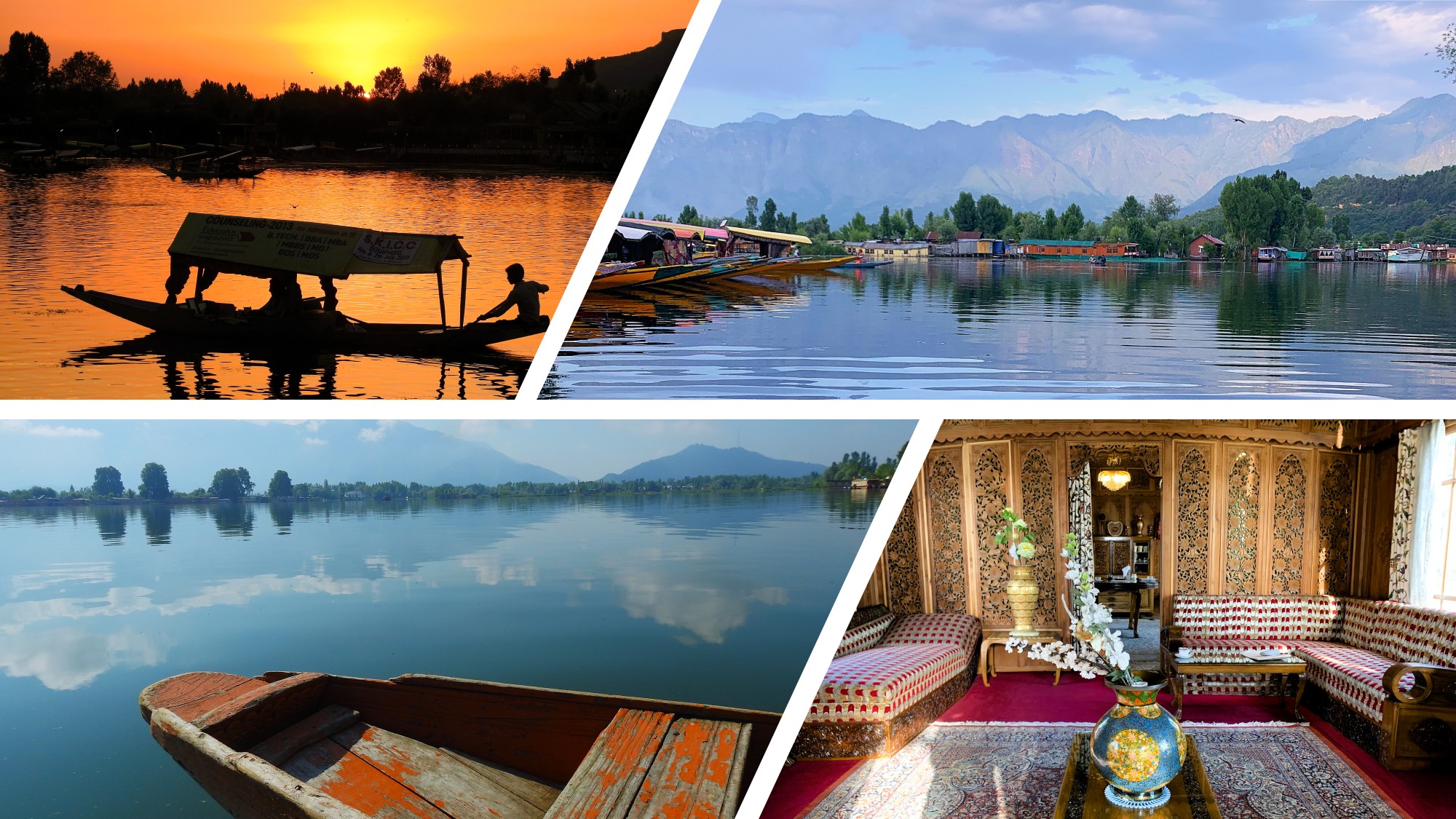
Our first destination was the legendary Dal Lake, known as the ‘Lake of Flowers’ and ‘Srinagar's Jewel’. Covering 18 square kilometres, this urban lake welcomed us with its 15km shoreline boulevard lined with 18th century gardens. The floating gardens, called ‘Raad’ in Kashmiri, were blooming resplendently, their lotus flowers creating a carpet of pink and white across the water’s surface.
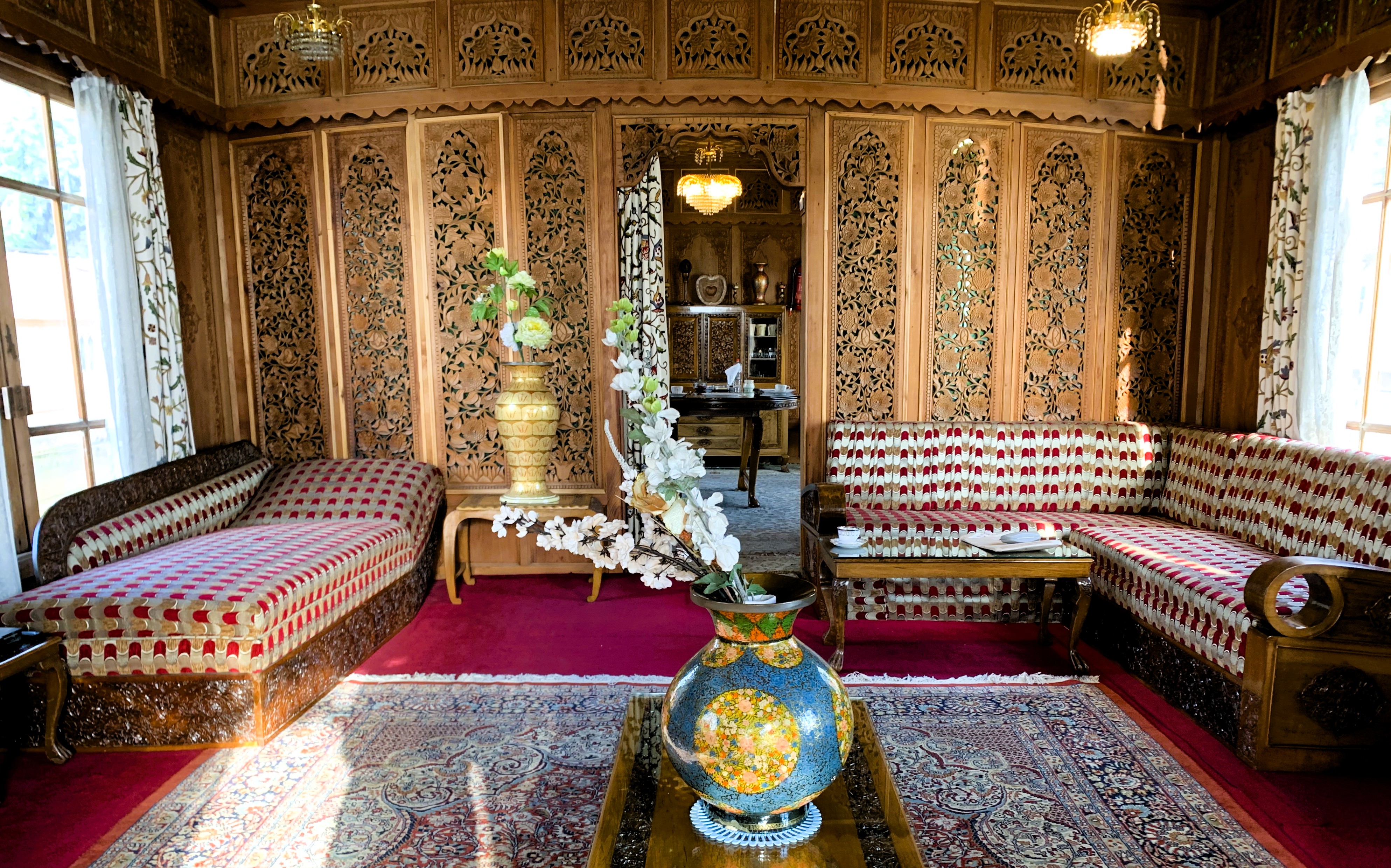
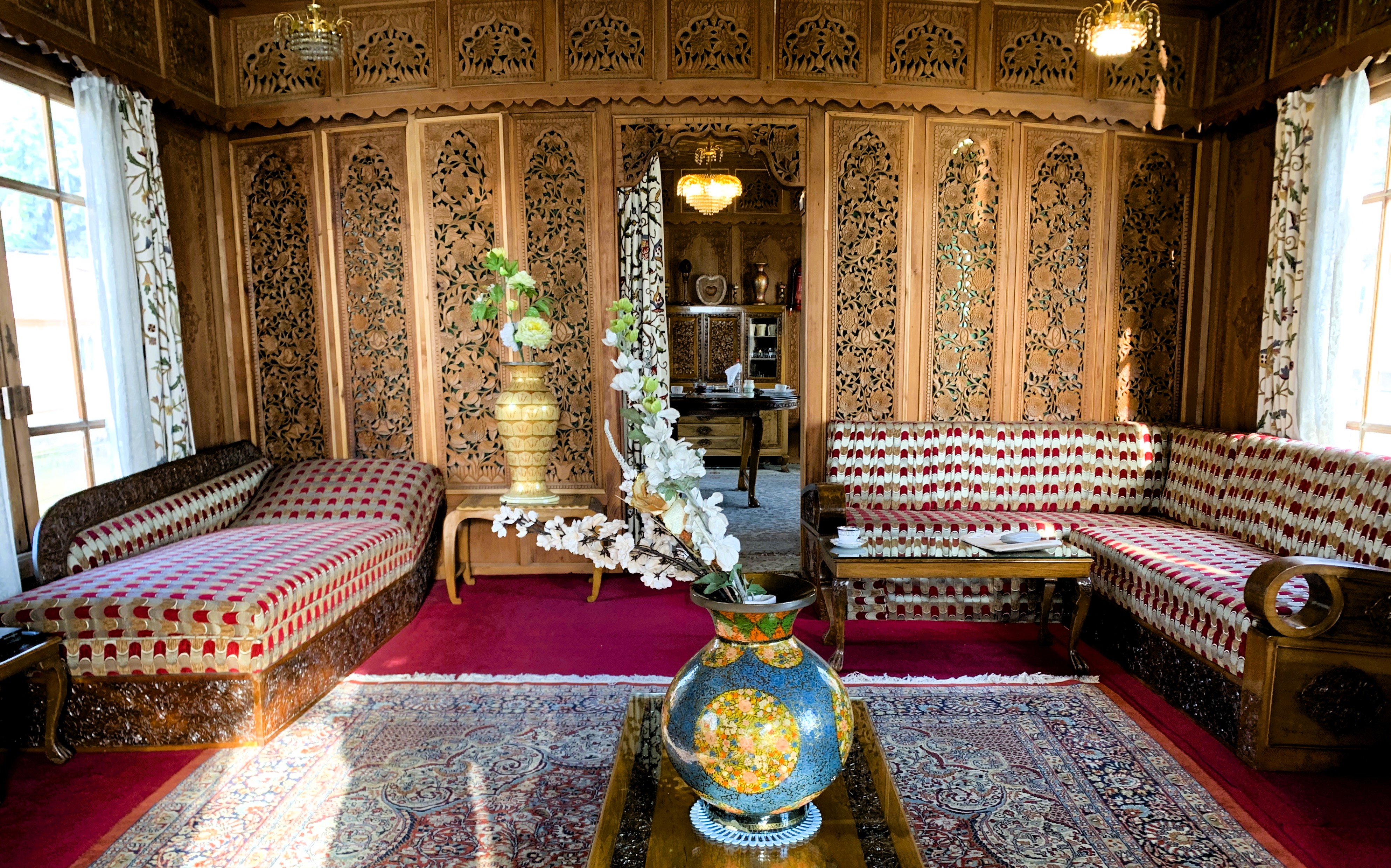
Our accommodation at the WelcomHeritage Gurkha Houseboats was nothing short of magical. These ‘floating palaces’ showcased intricate woodwork that spoke of generations of craftsmanship. The interiors were adorned with beautiful Kashmiri carpets and embroidery, each thread telling stories of the region’s rich cultural heritage. From our houseboat’s veranda, we watched colourful shikaras glide across the lake, their occupants selling everything from fresh flowers to local handicrafts.
Of Ancient Gardens & Parks
The Mughal gardens surrounding Dal Lake transported us back to the era of Emperor Jahangir, who said, “If there is heaven on earth, it is here...” Shalimar Bagh and Nishat Bagh, built during the reign of the Mughals, offered stunning views of the lake against the backdrop of snow-covered mountains. We also explored Chashme Shahi Garden, known for its natural spring, and the other Mughal gardens, each designed with the precision and beauty that made Kashmir the summer capital of the Mughal Empire. Needless to say, the state of the gardens begged for some care and nurturing.
Spiritual Sojourns & Scenic Sunsets
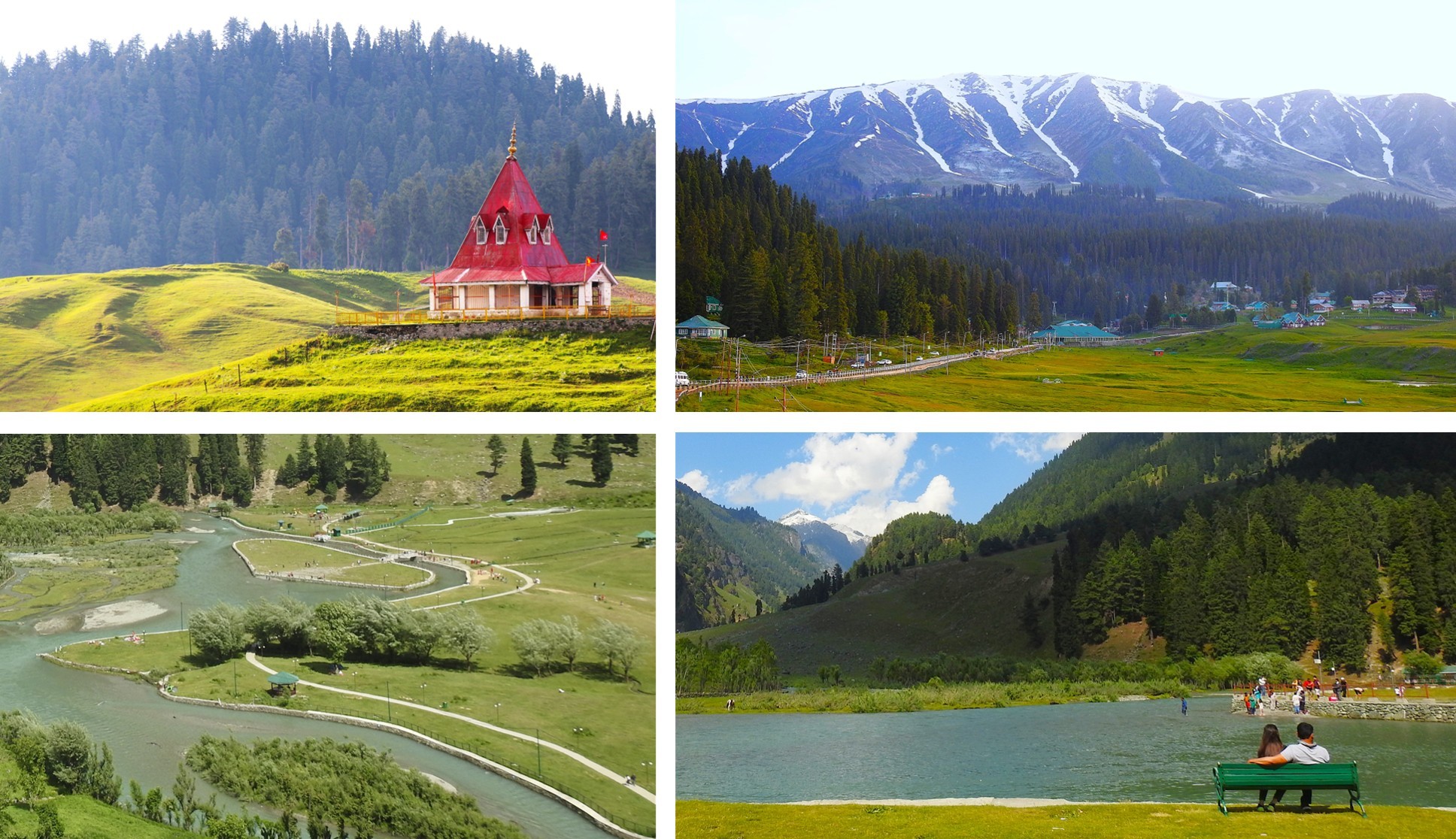
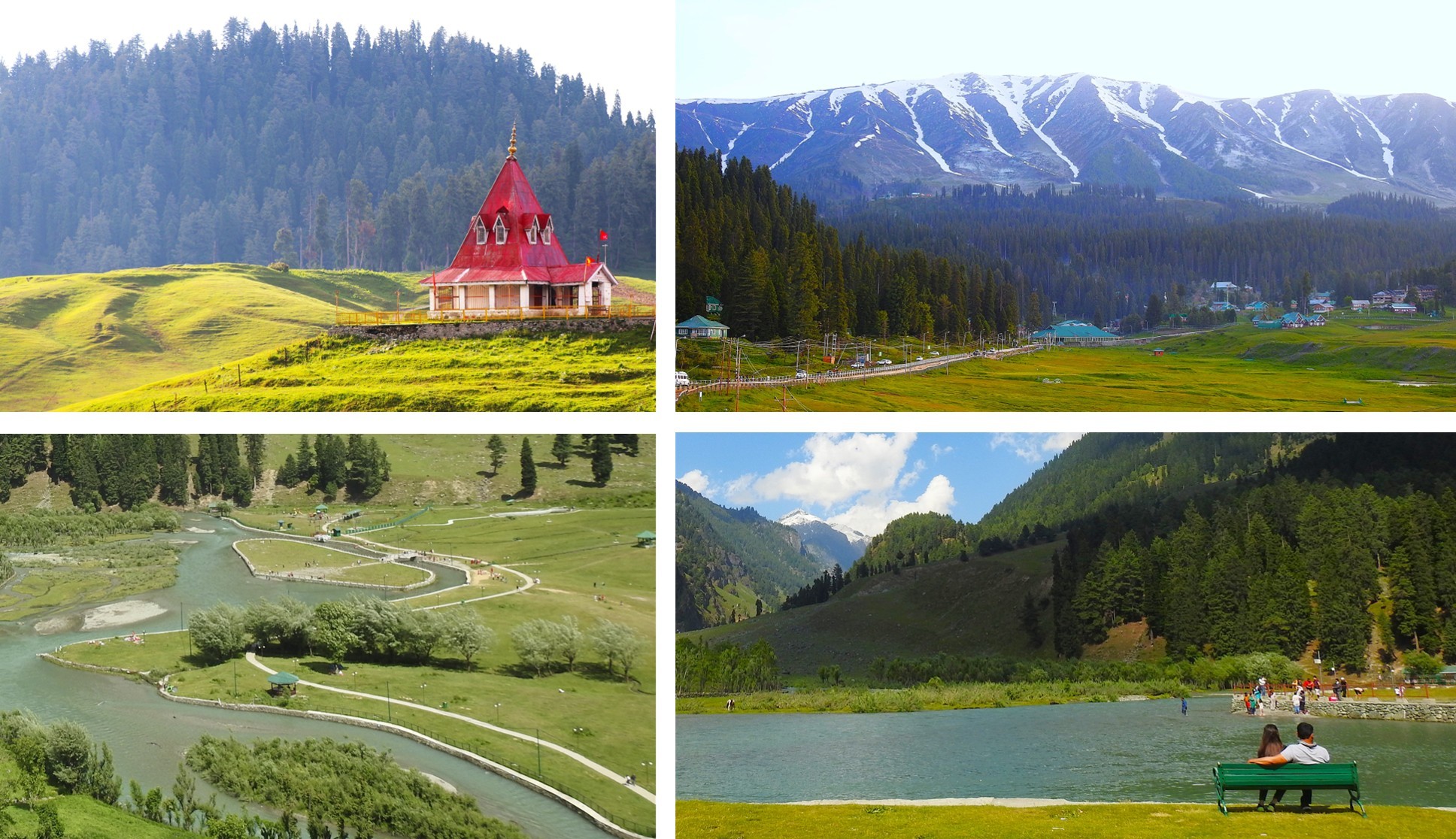
Our visit to the Maharani Temple, built for his wife in 1915 by Maharaja Hari Singh, the last king of the Dogra dynasty, provided a spiritual pause in our journey. Dedicated to Shiva and Parvati, this temple has been the location of popular Bollywood songs, including Kishore Kumar’s Jai Jai Shiv Shankar from the Rajesh Khanna-Mumtaz film ‘Aap Ki Kasam’ (1974). It offered panoramic views of Gulmarg and became our vantage point for witnessing one of the most spectacular sunsets, as the golden light painted the valley in hues of amber and rose.
The Beauty of Betaab Valley
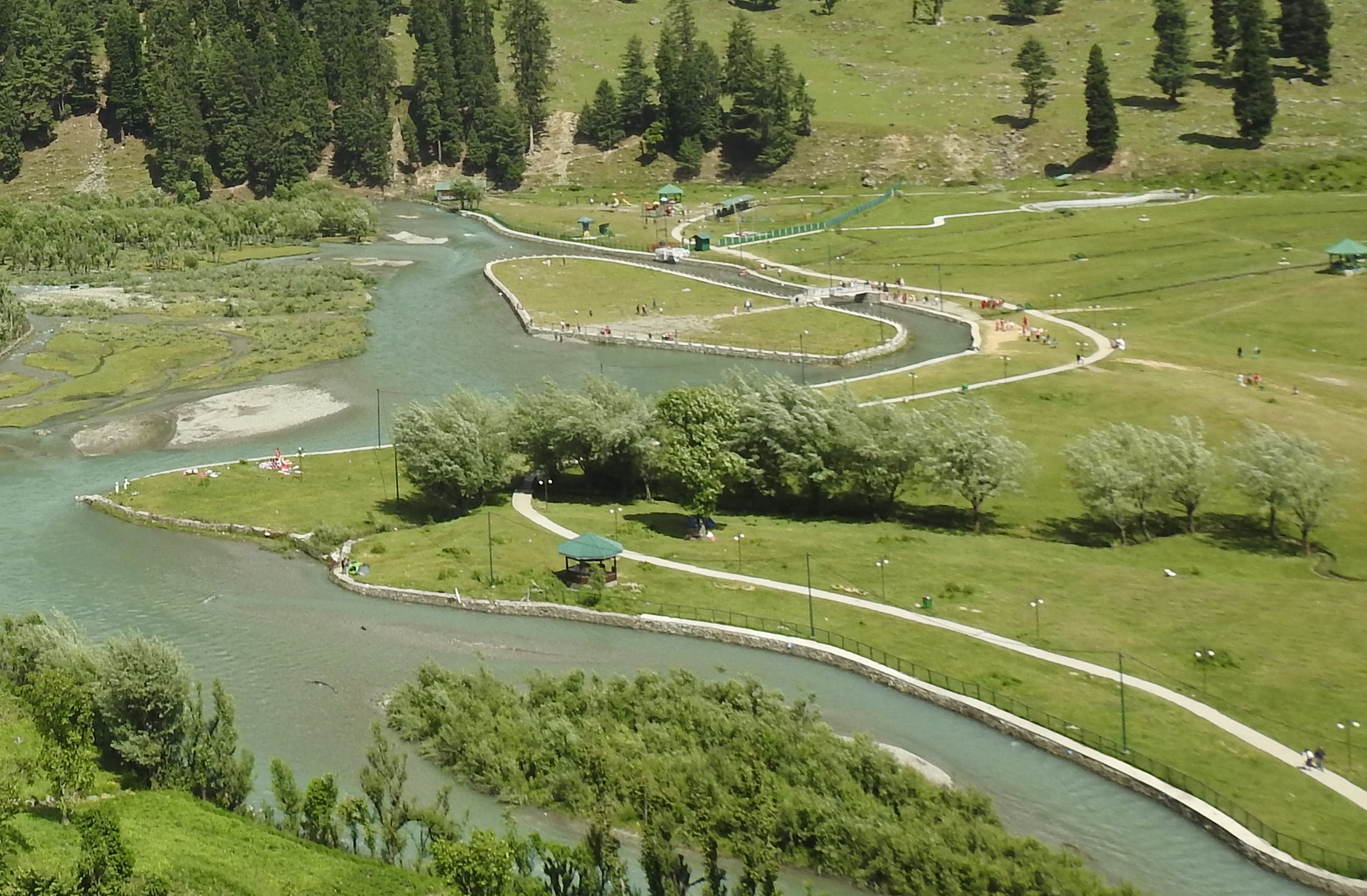
The Lidder River, 73km long and originating from the Kolahoi Glacier, flowed through the valley with water so crystal-clear and pure that you can drink it directly. The river, whose name derives from the Sanskrit ‘Lambodari’ – meaning “long-bellied goddess” – provided the perfect soundtrack to our exploration with its gentle bubbling over rocks.
Gulmarg: The Snowy Crown Jewel
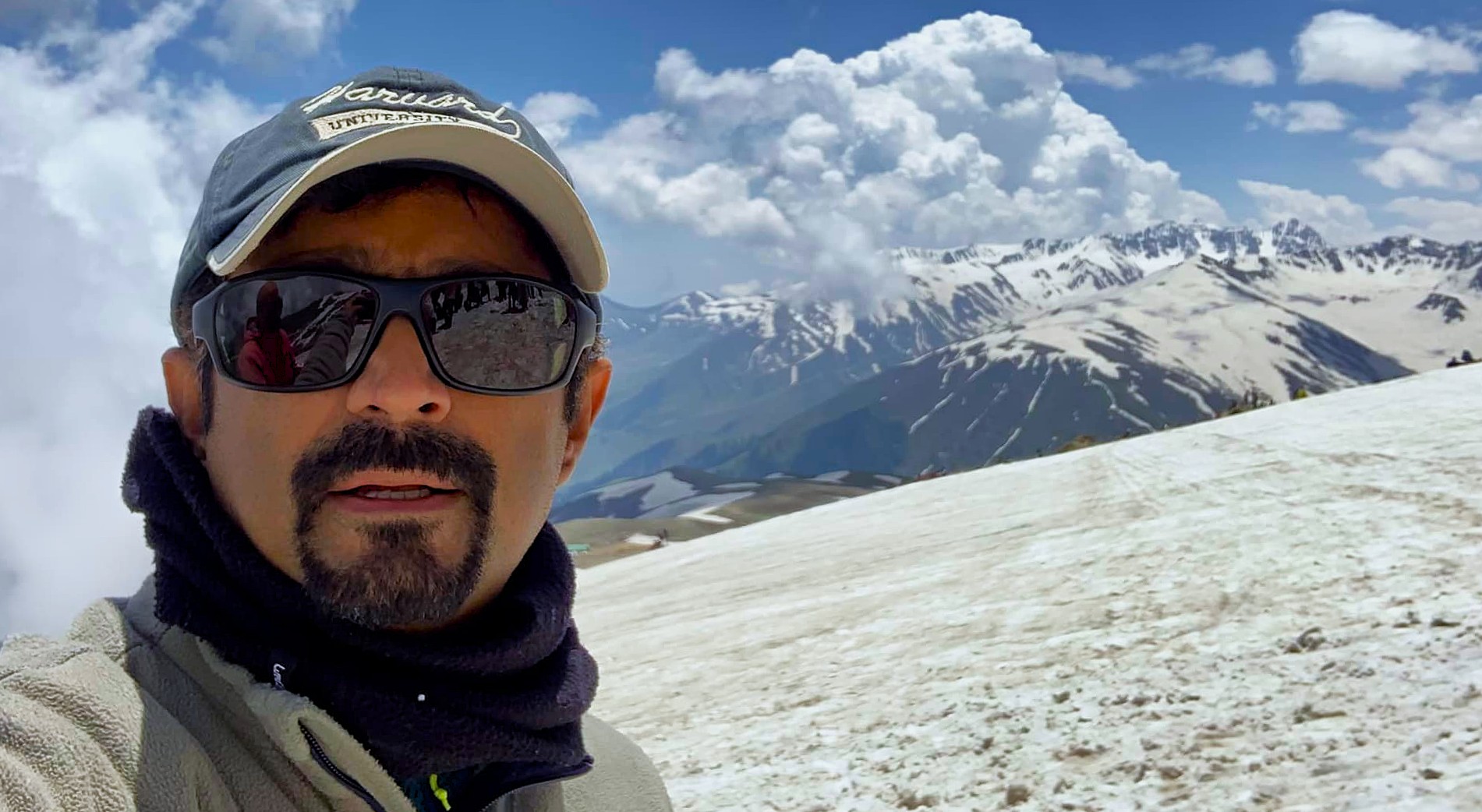
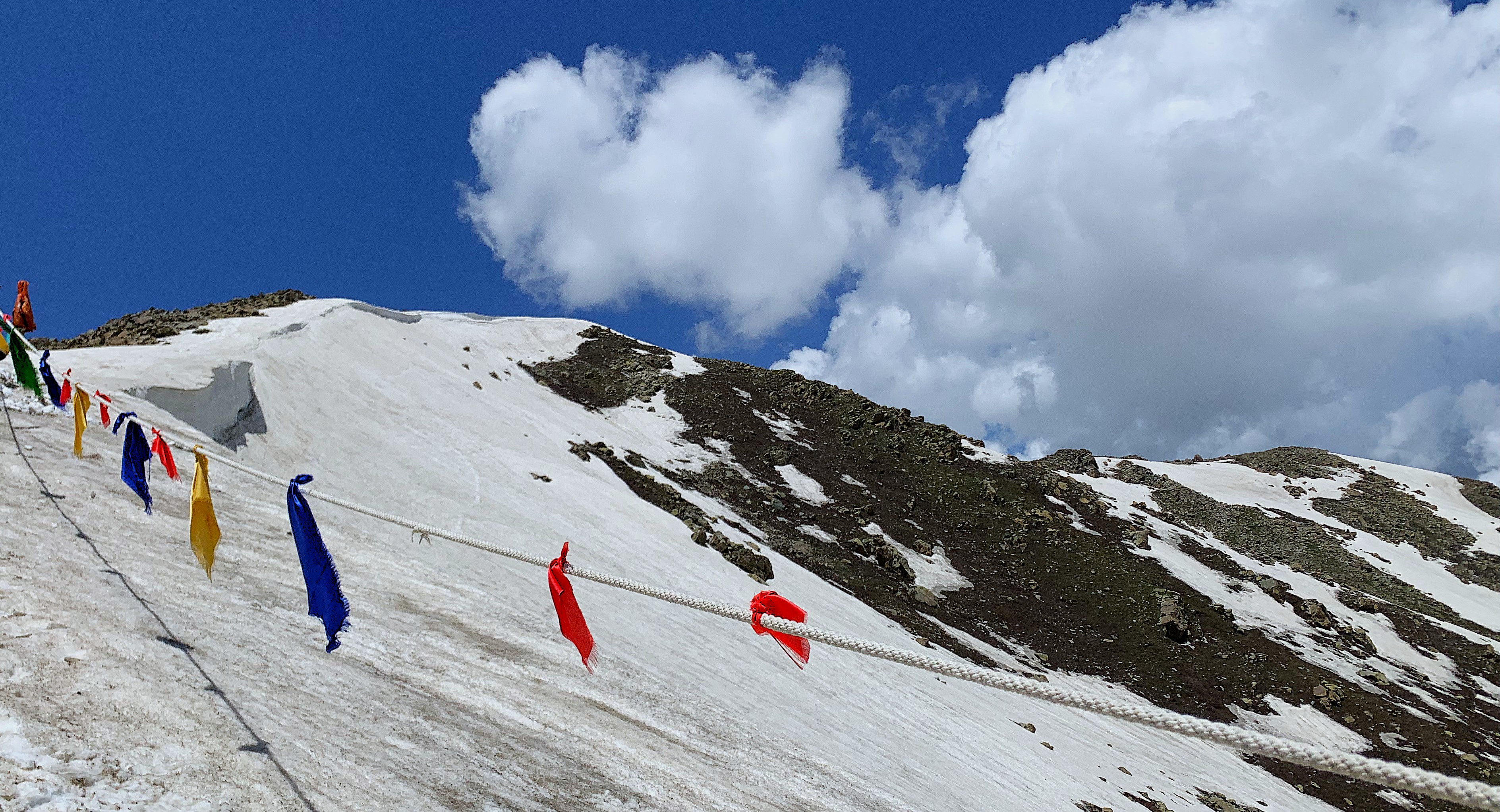
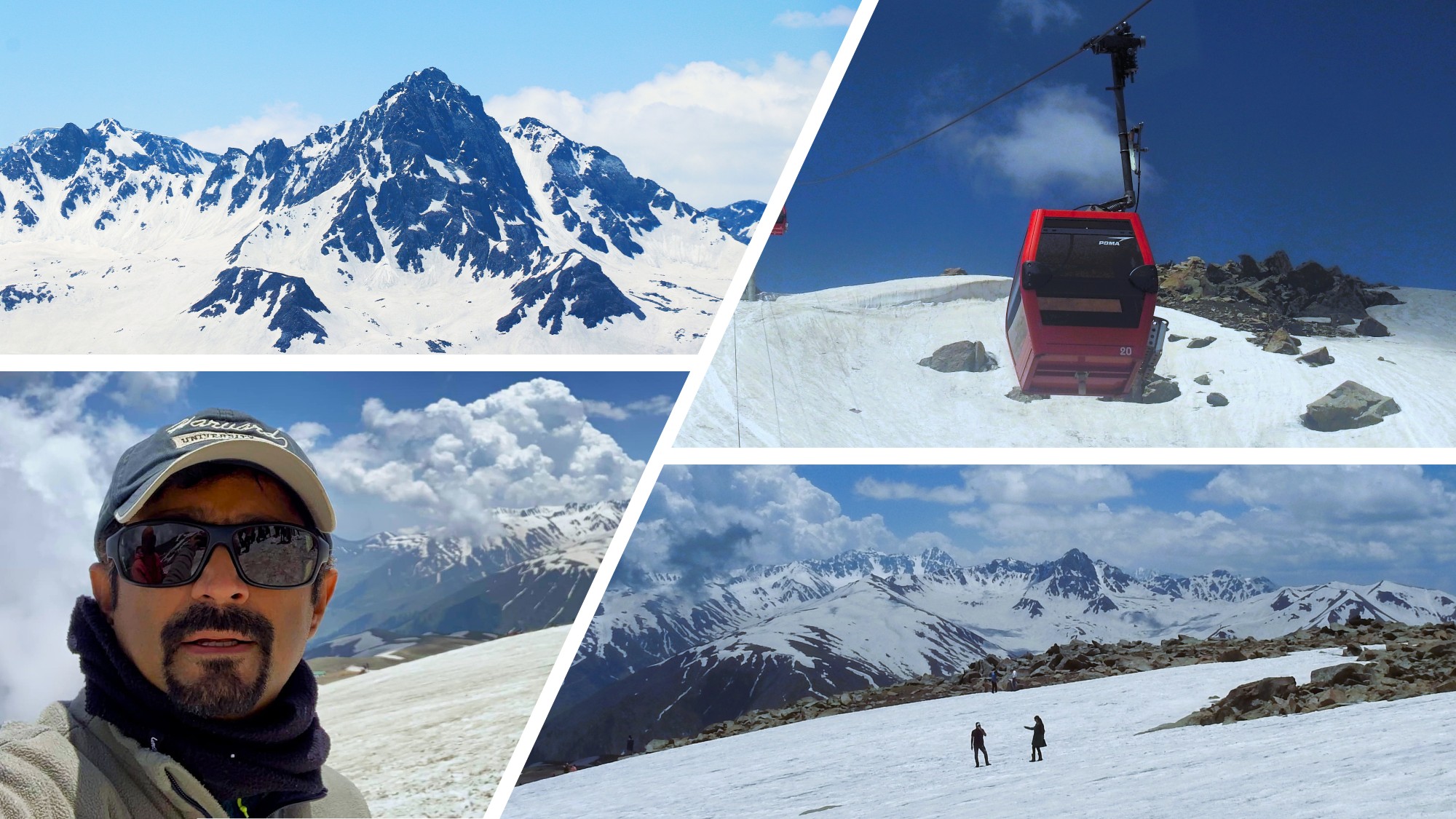
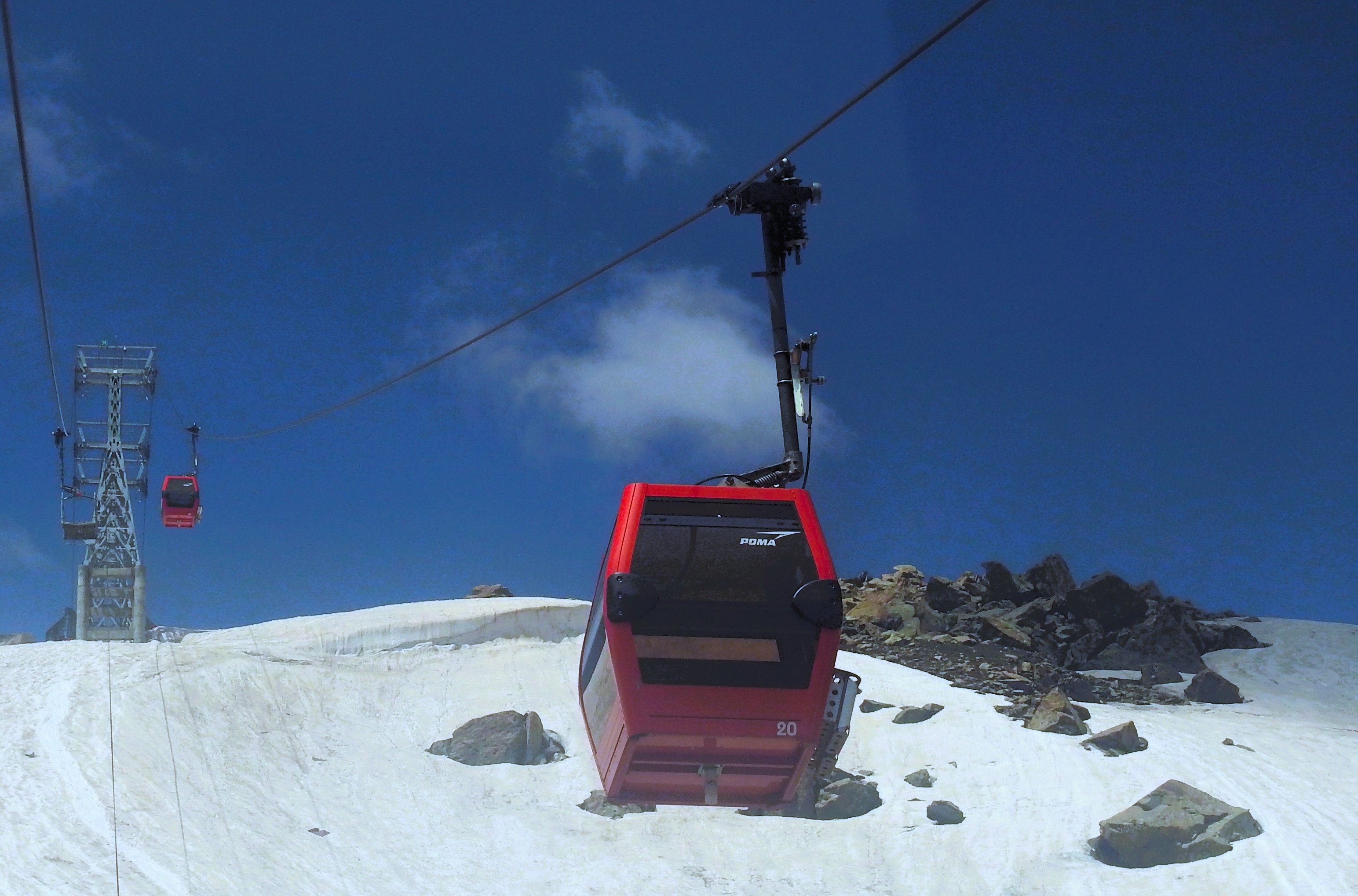
At these heights, above the treeline, the landscape transformed into an alpine wonderland where only hardy vegetation survives – carpets of moss and lichen clung to rocks, while rare high-altitude flowers like Himalayan blue poppies, primulas, and gentians dotted the terrain with bursts of colour. We indulged in snow carting and experienced the thrill of being so close to the Line of Control. The panoramic views of Nanga Parbat and other Himalayan peaks from Apharwat were humbling reminders of nature’s majesty and grandeur.
With Love from Kashmir
“The valley is an emerald set in pearls, a land of lakes, clear streams, green turf, magnificent trees and mighty mountains – where the air is cool and the water sweet, where the men are strong and women vie with the soil in fruitfulness.” (From ‘In the Valley of Kashmir’ by Sir Walter Roper Lawrence)