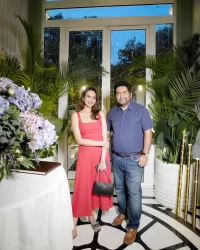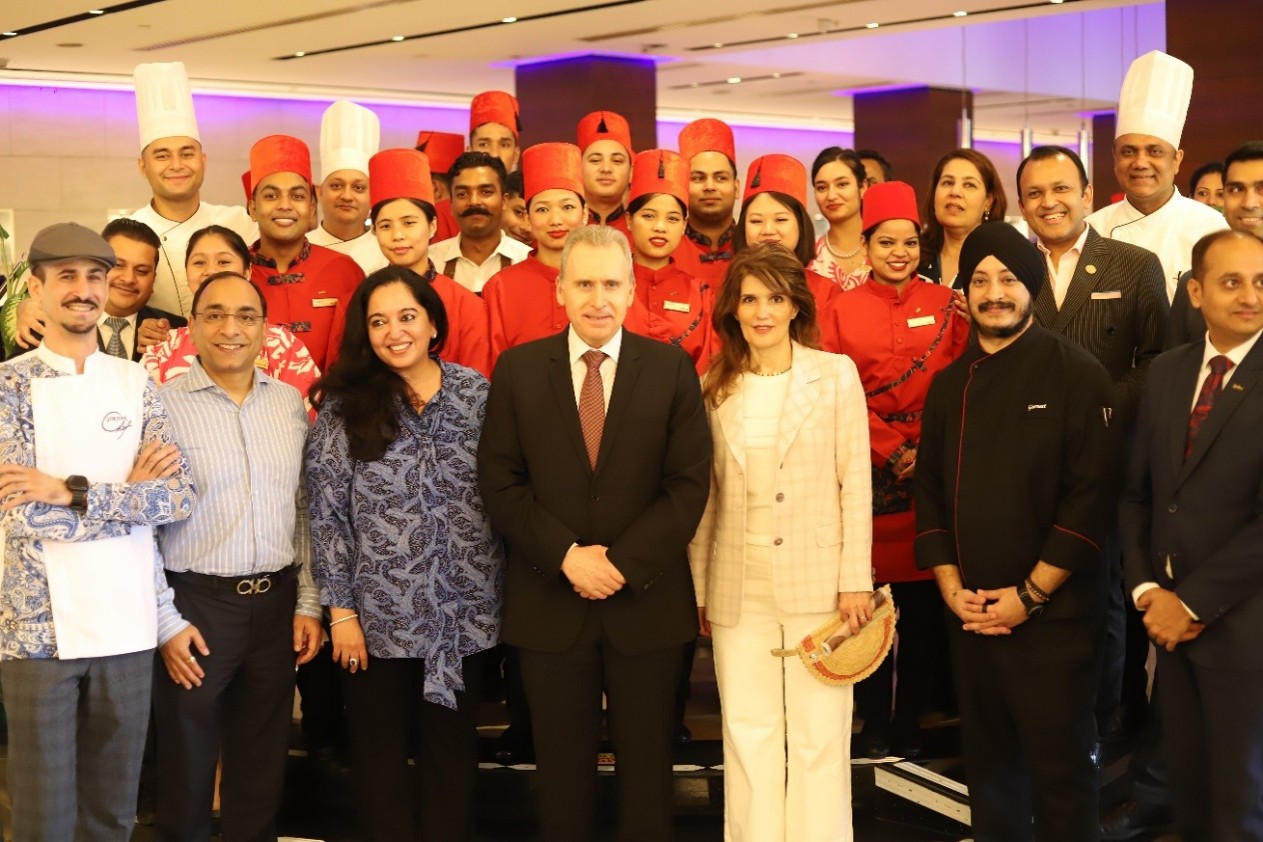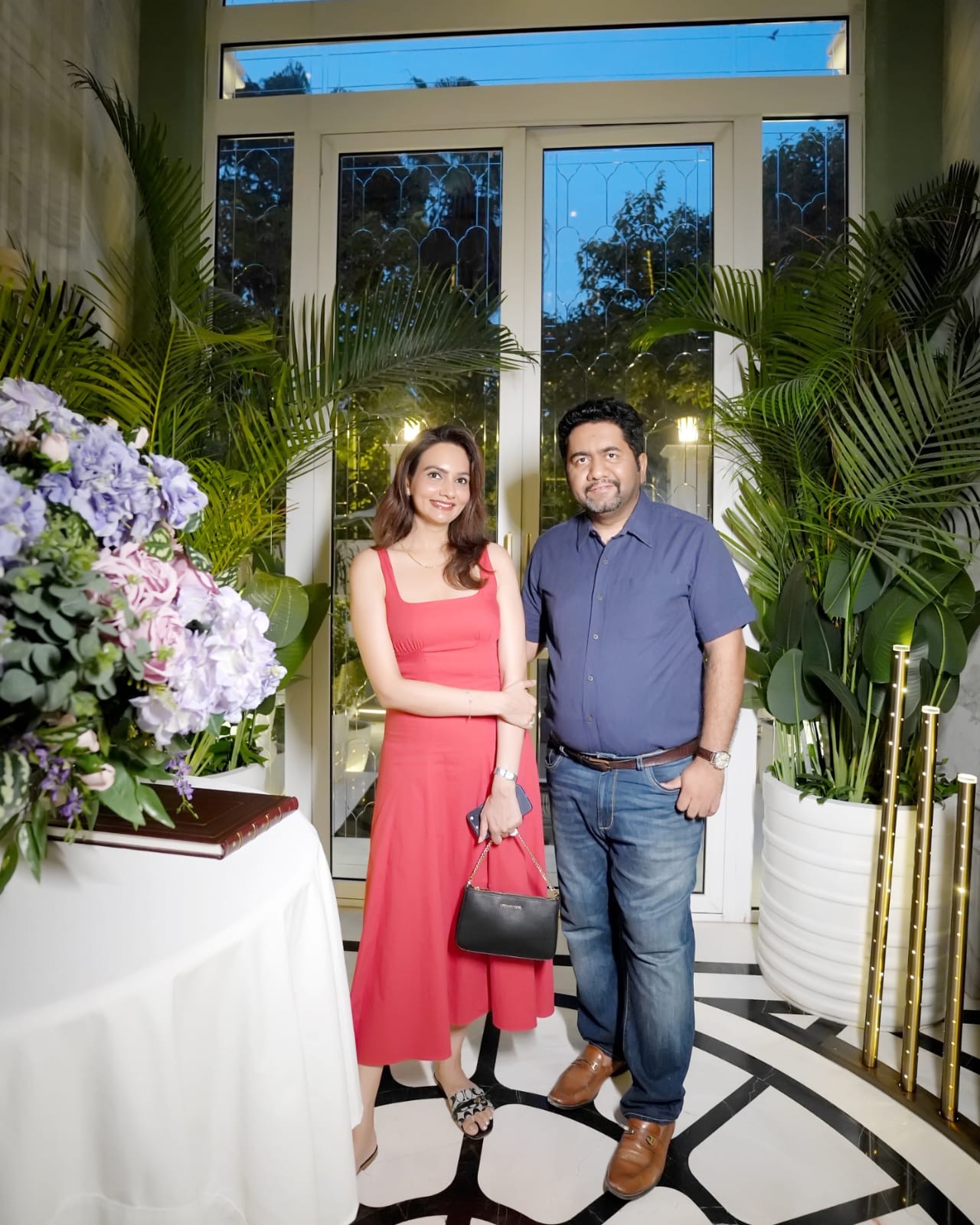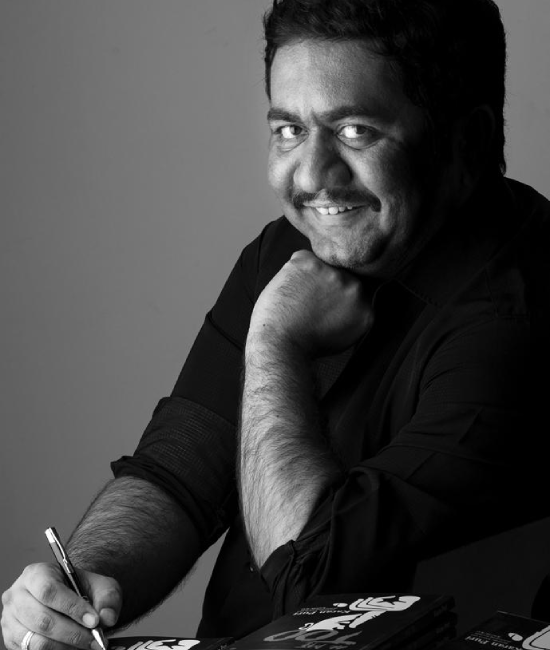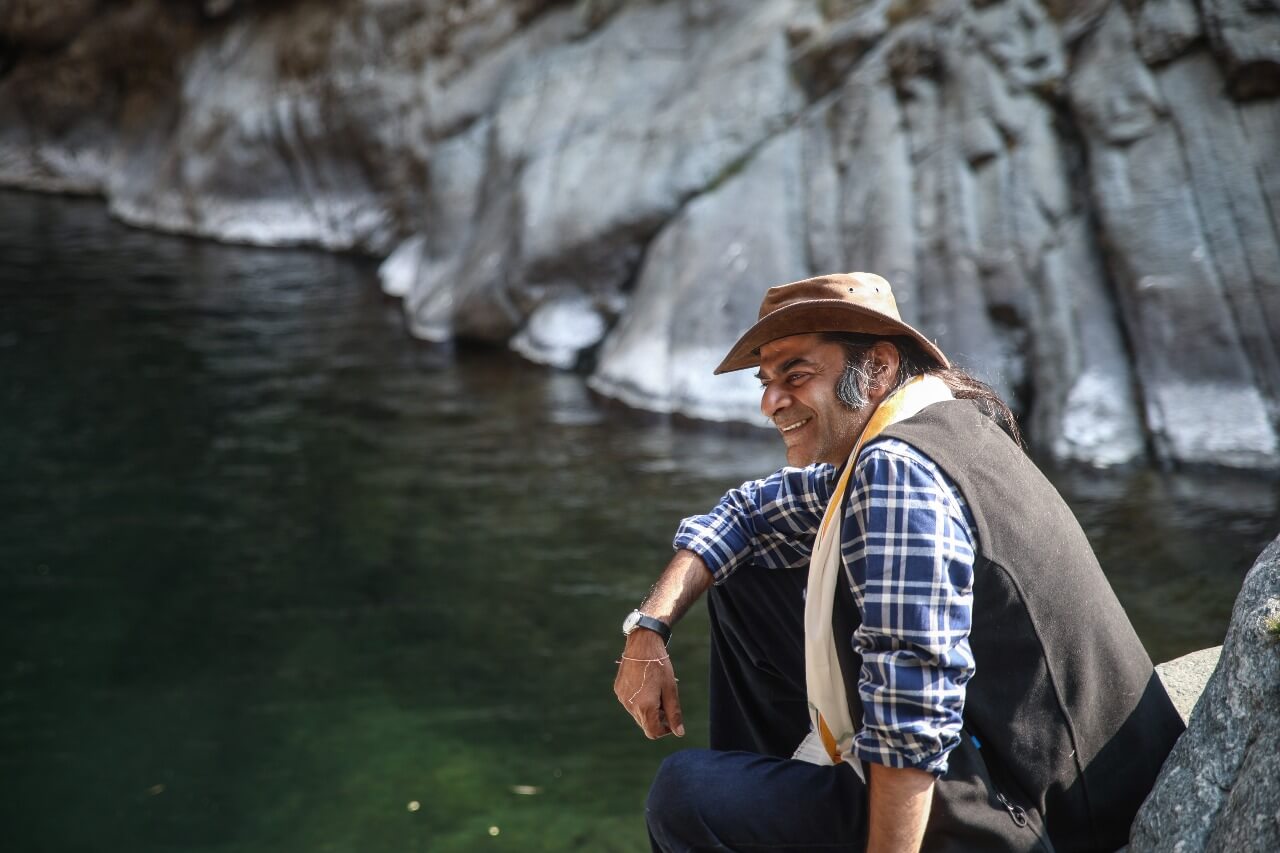
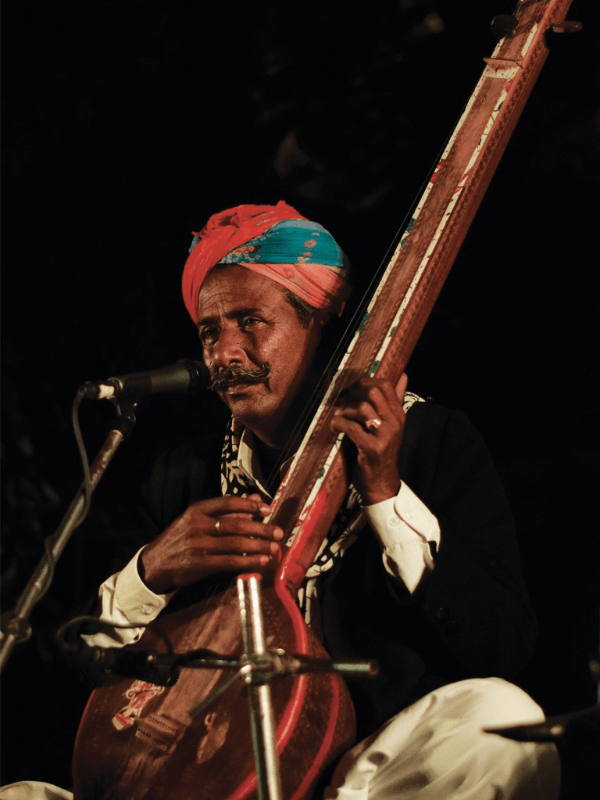
Ashutosh Sharma and Ankur Malhotra
Founded by Ashutosh ‘Ashu’ Sharma and Ankur Malhotra in 2009, Amarrass Records is an outlier in the music industry. This record label has given unknown (or not so well-known) individuals and collectives a platform to showcase their talent, on long-players and in gigs, and in genres as diverse as folk, electronic, trance and psychedelic.
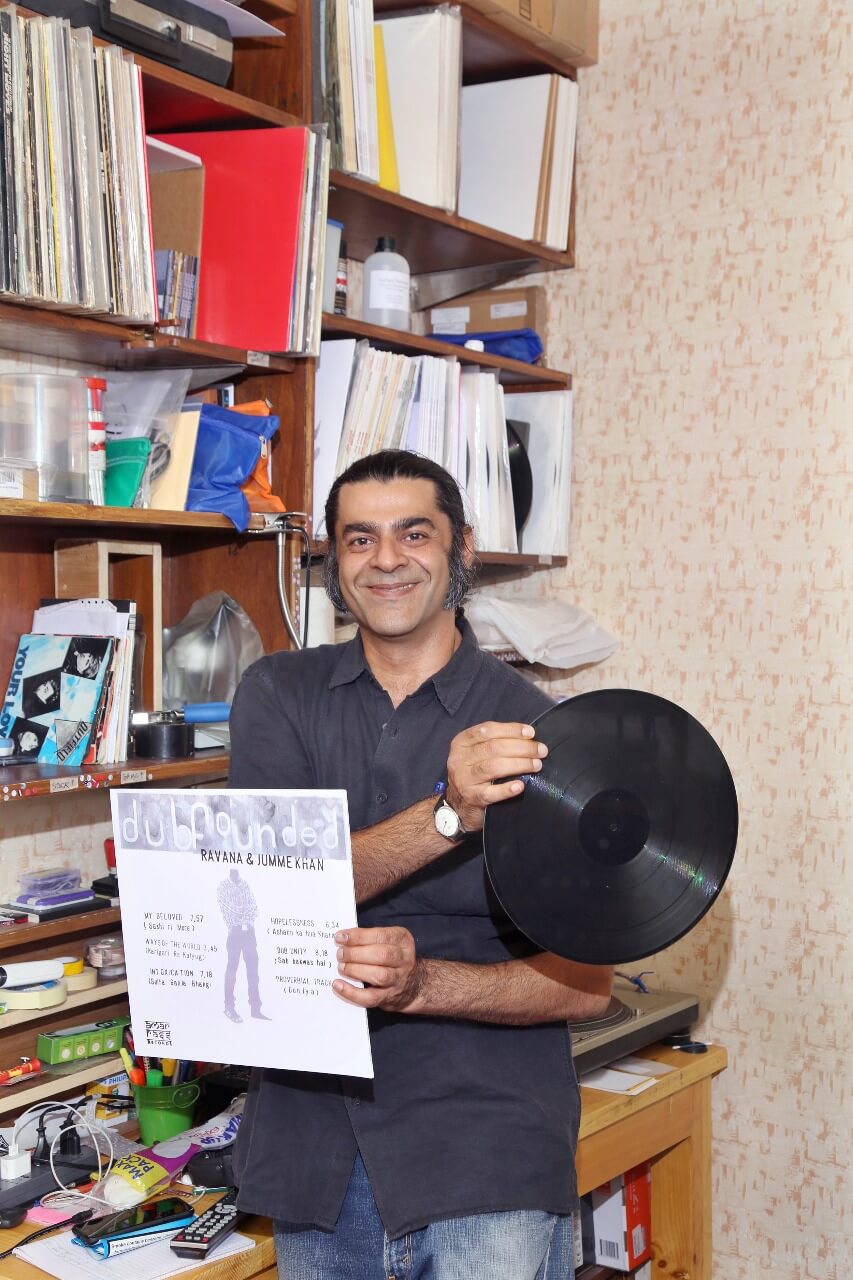
Besides, there’s a fidelity to the old way of doing things. Every record is brought out in vinyl, and is recorded, mixed, mastered and cover-designed by Amarrass. “The way records were made initially, one record at a time, with somebody putting sound on one side of a blank record,” Ashutosh told us. In 2023, the label began hosting music tours, a concept that blends music with the culture and food of the region from where the artists hail. One attendee called the experience “a journey for all five senses.”
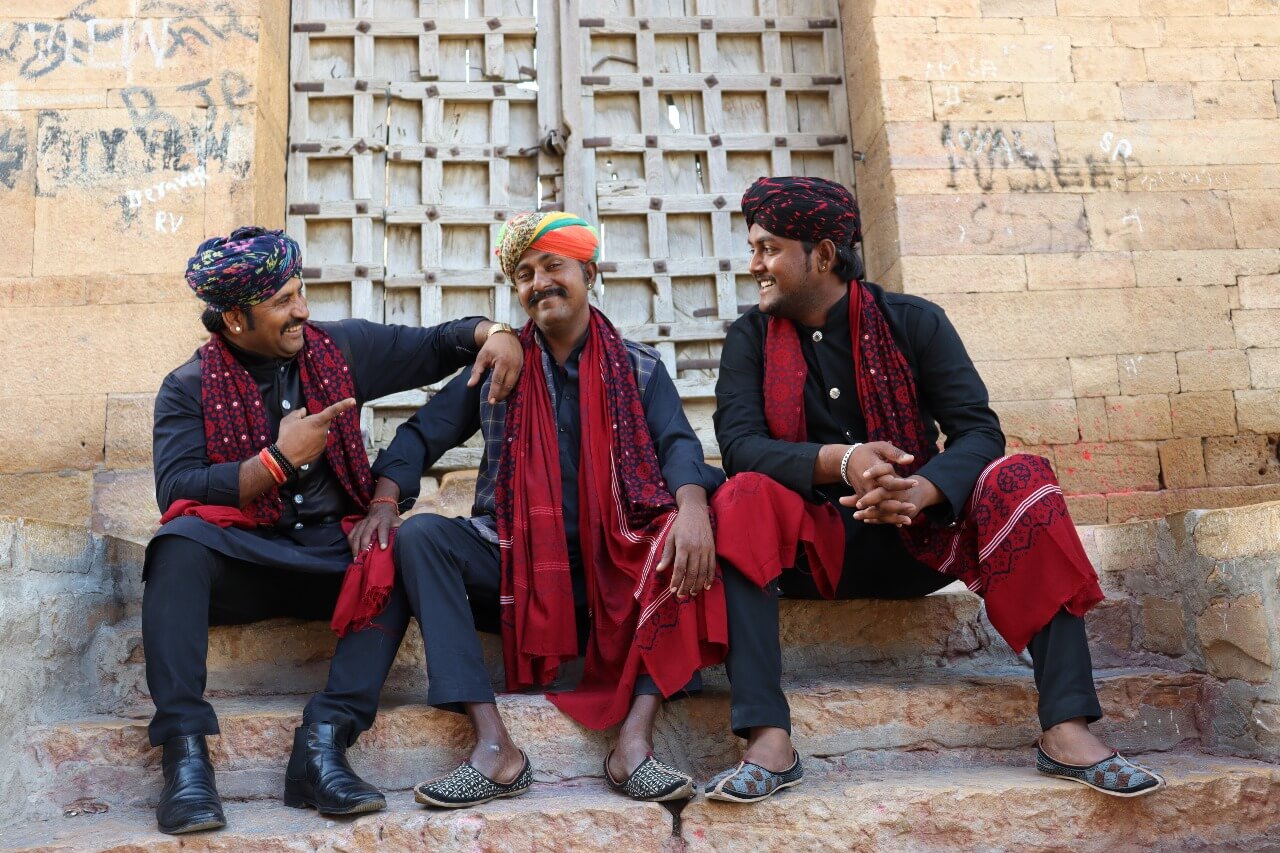
Amarrass has seven artists on its roster—Lakha Khan, Barmer Boys, Rehmat-e-Nusrat, Ravana & Jumme Khan, Sakar Khan, Ghewar & Firoze, and Bagga Khan—and has worked with a host of others. Now 15 years old, and having released 23 quality albums in that time, this record label is eagerly looking forward to presenting listeners, both in India and abroad, with more musical discoveries. Says Ashutosh, “The general reaction to the new music or the new artists we’re introducing has been great, so it just gives you more energy to continue working in this direction.”
Interview by Sharad Kohli
I had been into music as a listener, and I always wanted to do something with music. I was in touch with some artists in Pakistan—the Mekaal Hasan Band—and I was trying to get their music out. It so happened that they had signed up with a record label in India, and it boiled down to buying their rights—I had to send an email to that record label from a travel agency I was running! So, I registered a record label and sent that email. Behind this was a frustration with the music scene in India in general, that you only got to hear the same acts throughout the year, the same bands and musicians, whether at festivals, shows or wherever. Even in classical music. For instance, when we look at tabla players, we don’t know nos. 5 to 10 in the country, and the average person wouldn’t know the same for a sitar or sarod player. So, that was the frustration, that we don’t get to hear different music, fresh music, and other musicians—it used to drive me nuts!
The idea was to work with artists who are not so well-known and unknown, and through the travel company we landed up in the folk scene in Rajasthan, with the Manganiyars. When we launched the label, we released the album we’d heard, The Manganiyar Seduction, directed by Royston Abel. We were handling their travel and all that, and when we heard them, we realised this music is amazing—it doesn’t require lights or boxes, it’s good enough to stand on its own. So, we launched the label with the release of that album, and a show at Purana Qila in 2010.
The Purana Qila show was a big wake-up call. I found it very strange that the 4,000 who had come to watch the show—which made it to Time magazine—and heard the musicians, went back knowing only the name of the director and this new record label. They didn’t know the name of a single artist! The reason I found it strange was because in art forms, everything is based around the individual. That’s when we realised that we needed to work on these musicians, to create their identities. So, we started field recordings and releasing their work. Initially, these were compilations, in which we put their names and photos. Once that was done, we then worked on the second set of albums where we created bands like Barmer Boys. Hearing one guy in the village, we thought, ‘He needs a name and a band’. Then we got guys from different villages and imagined what that sound will be like. We told them, ‘We’re forming a band but it’s your band,’ and explained it to them. Within two years Barmer Boys had gone on to play at Coke Studio and by the third year they got a slot in the Roskilde Music Festival in Denmark, between Outkast and The Rolling Stones.
We also realised that over the generations, the songbooks were dying, so we started archiving those. And we were working with the late Sakar Khan ji, the master of the kamaycha who was awarded the Padma Shri, someone who had played with Yehudi Menuhin, George Harrison and Bade Ghulam Ali Khan, but was unknown. We released his first proper album when he was 75, and that album got Top of the World/5 Star ratings from Songlines, UK. He also told us that there is only one kamaycha maker left in the country, who was making sofas in Pune because he had no orders. So, we launched a society for the performing arts, where we started archiving the songbooks as well as creating an ecosystem for the instrument makers and reviving that art as well.
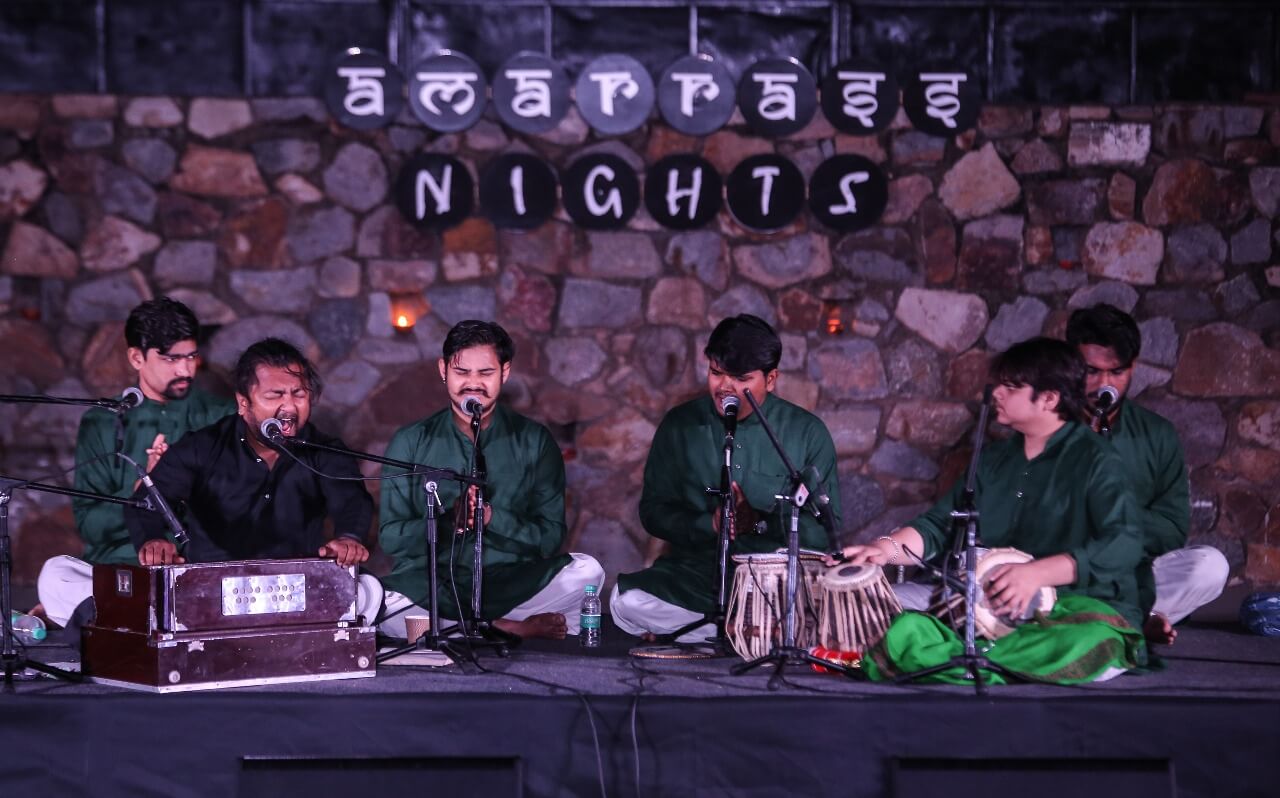
The idea behind Amarrass Nights was to work with folk and other artists. The artists only had videos recorded in their village, and nobody would give them that first show without seeing a video of that performance. So, I just decided to create a platform for them and then make those videos—that’s how Amarrass Nights started, in 2011 in Lodhi Gardens. That then gave the artist a portfolio, of what all they have done and where they have performed, with which other artists or bands, and so on. Here, we have been presenting all the bands that are technically ‘not so safe’ in terms of box-office appeal. Amarrass Nights is curated and planned in a way that you won’t know the names of the band or know of these bands!
The idea was never to work only with a specific genre but because we started with folk, the initial focus was on the folk scene. We have worked with bands doing psychedelic Arabic and we’ve done the revival of Charanjit Singh, who is considered the father of Acid House. So, we are not genre specific, it’s just that a lot of our work has been in the folk space, and we always want to put in extra effort for that, because it’s one space that requires that extra effort.
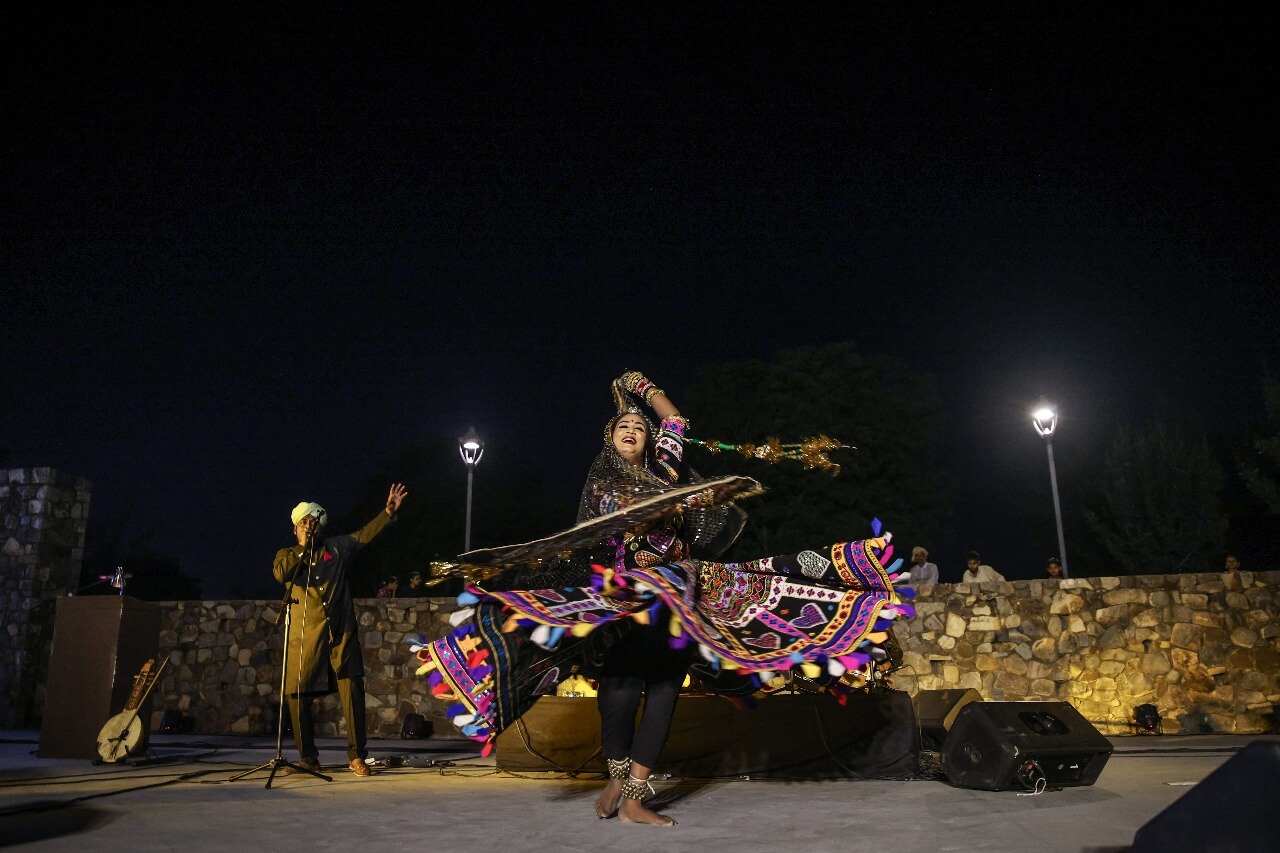
When you’re working with musicians, and when something is created live while you’re recording or even while you’re practicing, it gives you joy. As it does when bands that we have created from scratch make it to the big stages, like Barmer Boys have done, or even Lakha Khan ji, who was awarded a Padma Shri a few years ago. The fact that we recorded Sakar ji when we could—our first set of analog, single-take field recordings—and when the artist gets that level of recognition (five stars from Songlines), makes it all worth it. And when the Smithsonian director says they may use our recordings for reference, it tells you that you’re doing something right.
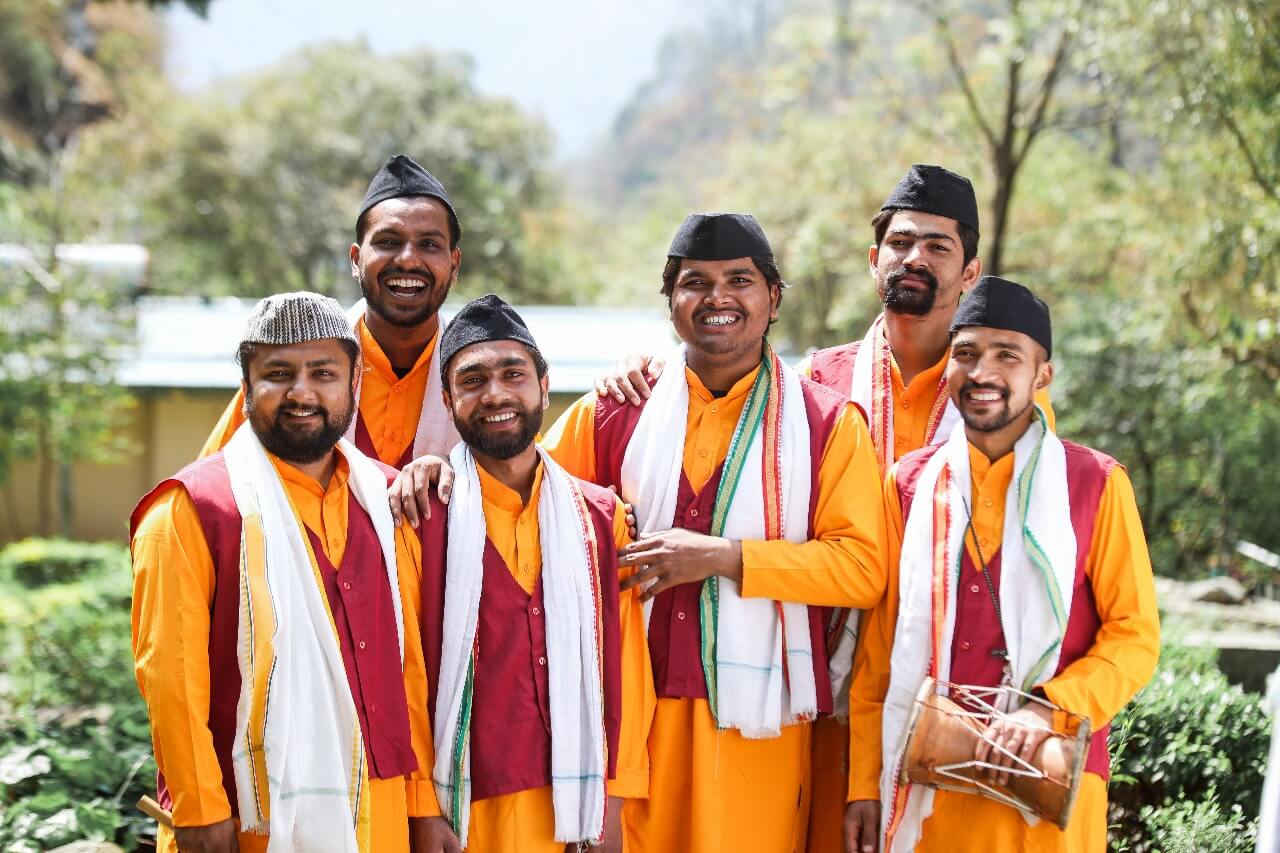
The most recent artists we signed are arguably one of the best qawwals in the country, Rehmat-e-Nusrat. They came in as a Kumaoni folk group, and their alter ego is this qawwali group. The lead singer, Sarvjeet Tamta, heard Nusrat Saheb and lost the plot. He started learning. He wanted a harmonium but his father couldn’t buy one so he left home and he self-trained in vocals in qawwali, then he learnt Urdu and Farsi, went to Wadali Saheb to learn a bit—in that sense, he’s all self-trained.