Alka Gurha
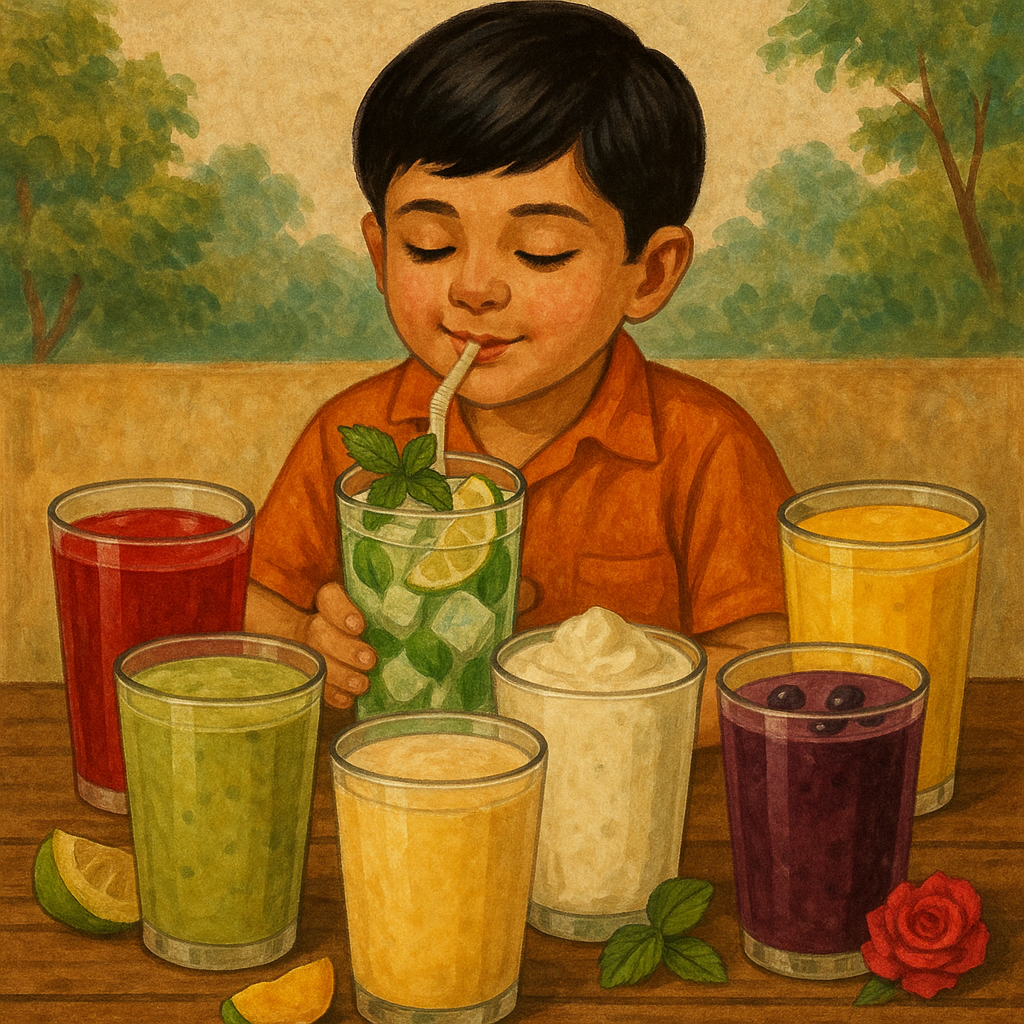
As I sip on my Virgin Mojito, the freshness of the mint and tanginess of the lemon take me on a refreshing journey, back to the summer drinks of all those years ago. Most of us have fond memories of the food and drink of our childhood. Indeed, whether it was mom’s fresh Jal Jeera, or grandmom’s signature Aam Panna, summer was all about delicious concoctions made from seasonal fruits, berries and spices.
Back in the 1980s, when someone asked, “What would you like to have?” it wasn’t a choice between chilled beer, iced tea, cider, or a bubbling soda. It was one between sugar-infused drinks like Rooh Afza, or Khus and rose sherbet, and fruit-based beverages such as mango shake, or Phalsa and Bael sherbet. After a gruelling day at school or a sweaty afternoon, we would look forward to an assortment of homemade drinks with no hint of soda. In the absence of a mixer or grinder, chilled Lassi was not merely a drink, it was a glass of affection layered with thick cream that was a declaration of mother’s love, a lip-smacking creation to be savoured.
It’s easy to see why our traditional summer drinks were rooted in culinary heritage and the availability of seasonal fruits and berries—because these made them economical as well as healthy. Our backyard had several Bael trees and it was fun breaking the hard shell to scrape the flesh for making the sherbet. Then there was Aam Panna, a celebration of summer, the thrill of drinking which was enhanced, again, by the presence of a mango tree in our garden. Made by roasting raw green mango and mixing the pulp with sugar, mint and cumin, Aam Panna was a tangy and spicy elixir.
In our house, Coca Cola, Pepsi and Fanta, stashed in wooden crates, were reserved for special guests. While mint-infused fruit-based drinks were served on informal occasions, these fizzy drinks were saved for when the vibe was more formal. A chilled Gold Spot or Coke with ice was bubbly elegance (and a fizz of sophistication) in a glass. It wasn’t supposed to be guzzled like the humble Nimbu Pani, it was sipped like wine.
Meanwhile, on a sweltering summer day, when sweat trickles down your nape and the sun dazzles your eyes, few pleasures compare to that of gulping down fresh sugarcane juice from a roadside cart. It’s a drink that still energises and hydrates, surviving decades of changing tastebuds. Even those who have succumbed to the charms of soda, swear by this golden nectar of nature and its thirst-quenching benefits. While colas fail, the unassuming sugarcane juice transcends ‘sugar is evil’ concerns to become a model of all three—economics, taste, and tradition.
Like everything else, the entire beverage matrix has changed. With sugar emerging as the new lifestyle villain, the market for refreshments has had to explore fresh options. Soft-drink companies are trying to create a buzz by coming up with alternatives with their own spin. I remember Gulzar’s raspy voice introducing us to Jamun ka Khatta, and kokum and guava drinks: “Bachpan ki yaadon ko phir se bahao, badi chatpati hain inhe phir se pilao.” As for me, I’m trying to balance seasonal pick-me-ups like coconut water with less sinful options such as ginger ale, tonic water, peach teas, and flavoured sparkling water.
Even if you discount my memories, I’m more nostalgic about ‘making’ summer drinks than ‘drinking’ them—the joys of picking Jamun for Jamun Khatta, the excitement over fallen raw mangoes in anticipation of a glass of Aam Panna, and the eager wait for the Phalsa vendor on a scorching summer afternoon. These drinks were more than just slakers of thirst; they were symbols of leisure, back in the days when we had more time for nature than devices. The magic of growing up lay in the fact that we didn’t need fancy packaged juices to make life interesting—childhood offered delight and intoxication enough.
--ends--