Introduction:
Madhya Pradesh which is referred to as the "Heart of India," is a land of diverse cultures, rich history and an even richer culinary heritage. This Indian state boasts a unique cuisine that reflects its geographical diversity, cultural heritage, and the influence of various dynasties that have ruled this region over the centuries. In this write-up, we will embark on a gastronomic journey through the flavours of Madhya Pradesh, exploring its culinary delights and the stories behind them.
Geographical Influence on Madhya Pradesh Cuisine
Cuisine from this region is as diverse as its landscapes, with influences from the Malwa plateau, the Vindhya and Satpura ranges, the fertile plains of the Narmada and Tapti rivers, and the tribal heartlands. These diverse geographical features have given rise to a wide range of ingredients and cooking techniques that are central to the state's cuisine.
Key Ingredients
1. Millets: Madhya Pradesh is known for its use of millets such as jowar (sorghum), bajra (pearl millet), and makka (corn). These grains form the base of many traditional dishes and are a testament to the region's agricultural heritage.
2. Pulses: The state relies heavily on lentils and pulses like tuvar (pigeon peas), chana (chickpeas), and urad (black gram) for protein-rich dishes.
3. Vegetables: Fresh and locally sourced vegetables are a staple in Madhya Pradesh cuisine. Okra, eggplant, spinach, and potatoes are commonly used in various preparations.
4. Spices: The cuisine of Madhya Pradesh is not overly spicy but relies on a delicate balance of spices like cumin, coriander, mustard seeds, and fenugreek. These spices are used to create flavorful masalas (spice blends) that elevate the taste of dishes.
5. Dairy: Milk and dairy products are integral to Madhya Pradesh's cuisine. Ghee (clarified butter), curd (yogurt), and buttermilk are used liberally in cooking and as accompaniments.
Traditional Dishes
1. Poha: A beloved breakfast dish, poha is made from flattened rice cooked with onions, mustard seeds, curry leaves, and spices. It's often garnished with fresh coriander, sev (crunchy fried noodles), and served with a wedge of lime.
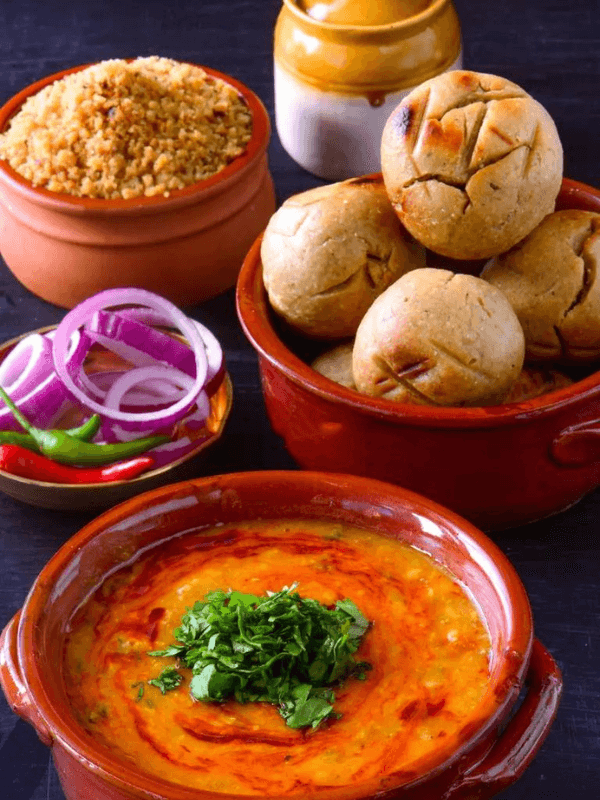
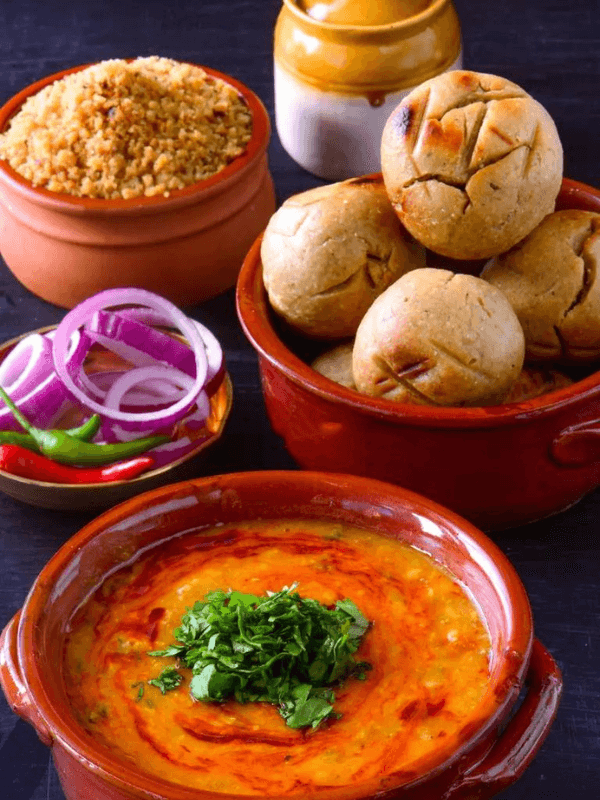
2. Dal Bafla: This dish is similar to the popular dal baati of Rajasthan. Bafla, or steamed wheat dumplings, are served with a generous helping of dal (lentil curry) and ghee, creating a hearty and filling meal.
3. Bhutte ki Kees: A flavorful dish made from grated corn, spices, and garnished with fresh coriander, this is a specialty of the Malwa region and showcases the state's love for corn.
4. Sabudana Khichdi: Typically prepared during fasting, this dish consists of tapioca pearls cooked with peanuts, potatoes, and flavored with cumin and green chilies.
5. Gujia: A dessert that's popular during festivals like Holi, gujia is a sweet dumpling filled with khoya (reduced milk), coconut, and nuts. It's deep-fried to golden perfection and then dipped in sugar syrup.
Influence of Culture and Tradition
The cuisine of Madhya Pradesh is deeply intertwined with its cultural and historical fabric. The region's tribal communities, each with its own culinary practices and ingredients, have contributed significantly to the diversity of the cuisine.
1. Tribal Delicacies: Dishes like saag (green leafy vegetables), rosha (sorghum porridge), and various preparations of bamboo shoots and forest produce are unique to the tribal communities of Madhya Pradesh.
2. Festivals and Celebrations: Festivals like Diwali, Holi, and Navratri are celebrated with special dishes like mawa baati, malpua, and shrikhand puri, which showcase the state's sweet tooth.
3. Royal Influence: The royal kitchens of Madhya Pradesh, especially during the reign of the Holkars in Indore, have left a lasting legacy on the cuisine. Dishes like mutton biryani, kebabs, and bhutte ka kees were popularized during this era.
Modern Innovations and Culinary Tourism
In recent years, Madhya Pradesh's cuisine has seen a resurgence, with chefs and food enthusiasts exploring traditional recipes and ingredients while adding a contemporary twist. This culinary renaissance has also led to the growth of culinary tourism in the state.
1. Food Festivals: Madhya Pradesh hosts various food festivals and events where visitors can savor the diverse flavors of the state. The Khajuraho Food Festival and the Indore Street Food Festival are notable examples.
2. Cooking Workshops: Travelers can now participate in cooking workshops to learn the art of preparing traditional Madhya Pradesh dishes. These workshops offer an immersive experience and a chance to interact with local chefs.
3. Farm-to-Table Dining: Many restaurants and resorts in the state are now emphasizing farm-to-table dining, showcasing locally sourced ingredients and traditional recipes.
Conclusion
Madhya Pradesh's cuisine is a true reflection of its rich history, diverse landscapes, and vibrant culture. From the humble poha to royal delicacies, the state offers a gastronomic journey that is both flavorful and diverse. As culinary traditions evolve and modernity meets tradition, Madhya Pradesh continues to be a culinary gem in the heart of India, inviting food enthusiasts to savor its delightful dishes and the stories they tell. So, the next time you find yourself in this central Indian state, don't miss the opportunity to explore the world of Madhya Pradesh cuisine, where every bite is a celebration of tradition and flavor.