Azra alware
These days, almost everything moves fast. Trends, timelines, even the way we furnish our homes. But in the middle of all that speed, Slow Design is quietly shifting the way we think about our spaces.
Slow Design is not just another aesthetic. It’s a way of choosing what we bring into our houses more thoughtfully, things made with care and built to last. Whether it’s a handwoven rug that took months to create, or a table passed down through the generations, Slow Design invites us to value quality over quantity, and meaning over momentary hype.
So, what exactly is Slow Design?
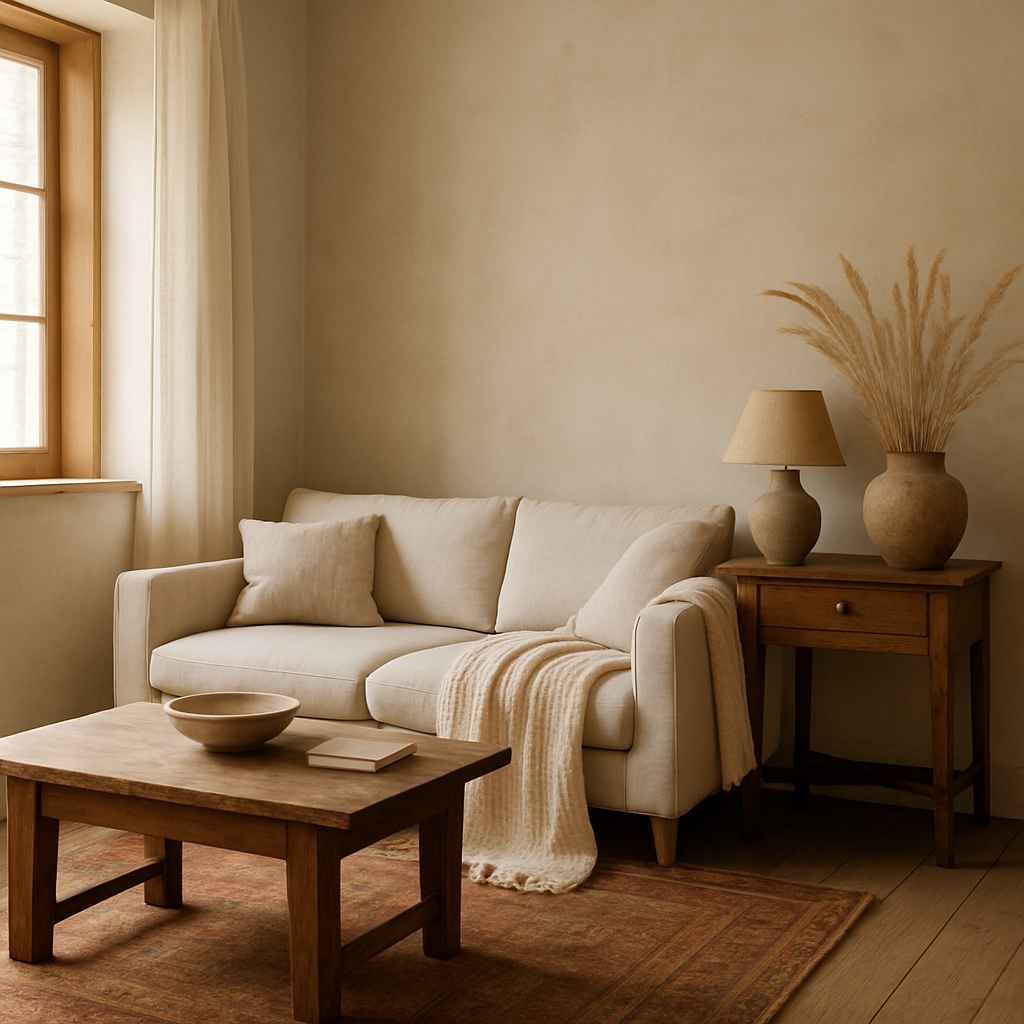
Slow Design isn’t about moving at snail’s pace. It’s about designing with purpose. Slow Design asks us to hit the pause button and think twice about how we fill our homes. It’s not just about picking whatever’s shiny or new, but choosing objects that actually mean something, objects that last and make our spaces feel cosy and real. When we might be thinking of following every new trend or rushing to swap out furniture, Slow Design urges us to embrace things that become part of our life’s story, ageing with us.
Practically, this could involve opting for handmade or locally made items, investing in vintage pieces, or re-using what you already have. It’s about choosing natural materials that develop appeal as they age – like a wooden floor that tells a story, or linen curtains that become softer after every wash. It also means making thoughtful purchases, buying fewer but better items.
New – and ‘fast’ – design trends might pressure us to keep updating our interiors every now and then. But just because something happens ‘quickly’ doesn’t mean it works well. Honestly, hurrying to chase each new fad often leaves you with spaces that feel messy, rushed, or just not quite right.
Take those fast-renovation projects, for example, where speed wins over good planning. When you scurry to finish the project, you might end up with bad lighting, awkward room layouts, or materials that don’t last. Sure, it saves time at first, but you’ll likely waste way more time fixing it later.
It’s all too common to decorate a space just to catch the visitor’s eye, or make a good impression in photos. But when you design for depth, you are thinking beyond the surface. You’re creating rooms that feel lived-in, relaxed, and imbued with meaning. It’s not about piling on flashy décor, but about making your space a reflection of your life, a place that tells a story and feels like home.
Slow Design, then, is a gentle reminder that homes don’t have to keep up with the pace of the world around us. They can be calm, grounding spaces that grow with us, not spaces that insist we respond to every fad. It's about building a space that grows with you, not one you always feel the need to fix or change. And maybe that’s what we all need a little more of – not just slower design, but slower living too.
--ends--