Nikita kuthiala
Nitika Kuthiala
Himachali cuisine is a rich tapestry of flavours, traditions, and geographies, deeply influenced by the state’s mountainous terrain and availability of seasonal bounty. There’s much more to it than just Siddu or Dham (as filling and tasty as they might be!), and in this article, I explore in detail what makes the food of this northern Indian state so unique.
The cuisine of Himachal Pradesh is characterised by slow cooking, minimal use of spices, and ingredients that are locally sourced. It relies heavily on fermented foods, dairy, and grains, all of which help sustain energy in the cold climate. Above all, it is the balance—of tangy, earthy, and mildly spiced flavours—that makes it distinct.
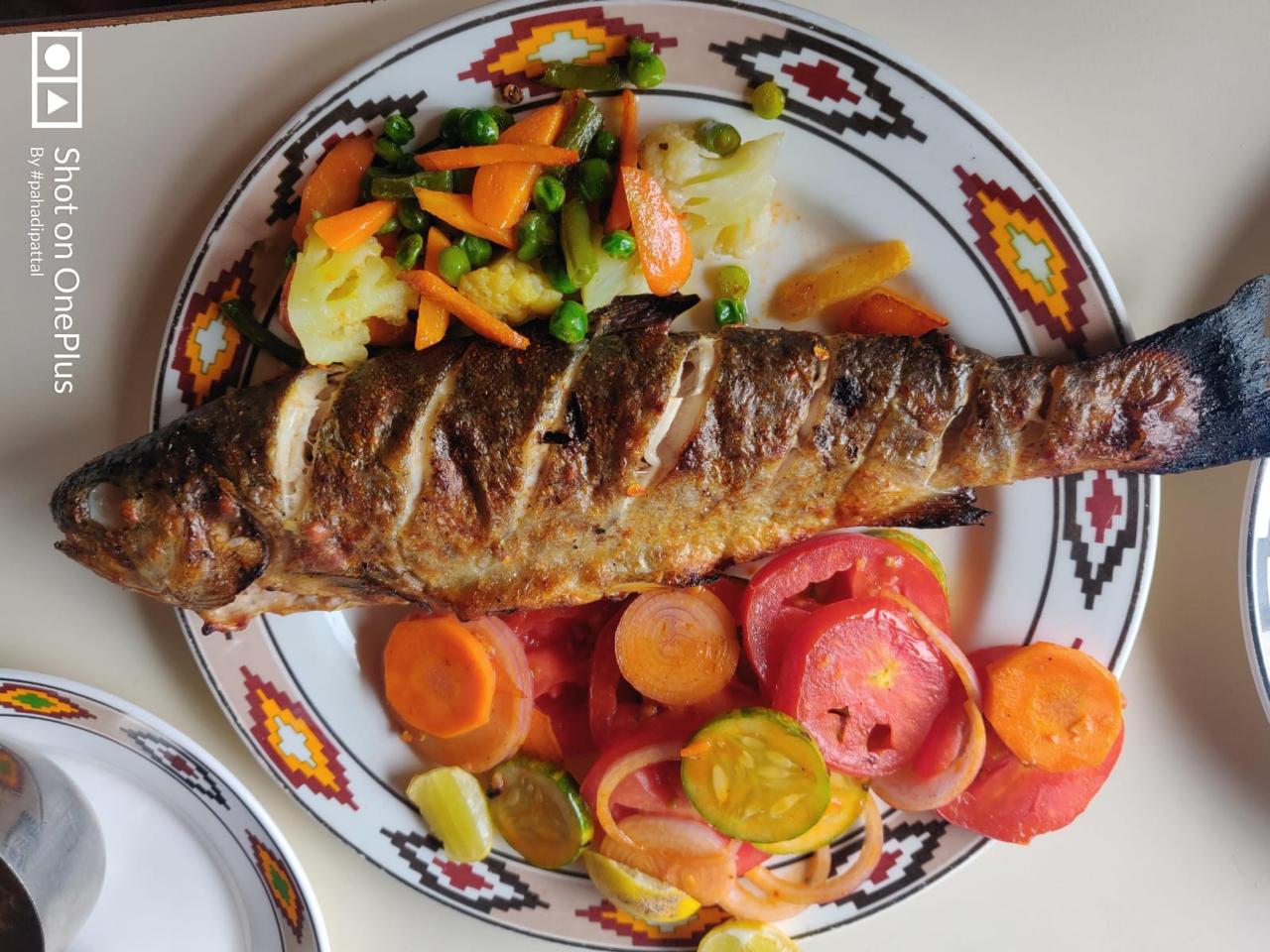
Despite the similarity in topography and climate, Himachali cuisine is actually very diverse, with each region having its own specialities. Kangra, Mandi and Chamba are famous for Dham, a traditional and Saatvic feast featuring lentils, rice, and yoghurt-based dishes. Kullu and Manali are known for the magnificent trout fish, which is prepared with minimal spices to retain its natural taste. Meanwhile, the cuisine of Spiti and Lahaul has Tibetan influences, which bring Thukpa, Momos, and Tsampa into the mix. And Shimla’s food shares similarities with that of both upper and lower Himachal, with people from different parts of the state having settled here.
Local greens, herbs, roots, and stems play a significant role in Himachali cuisine. Wild greens like Lingri (fiddlehead ferns), Kulfa (purslane) and Bathua (pigweed, similar to Saag), and tubers like Jimikand (elephant foot yam), are commonly used. The diet revolves mainly around seasonal and fresh produce, making greens and foraged vegetables an essential part of daily meals.
A simple Himachali meal would include daal, a staple at most tables. While rice is widely eaten across the state, wheat and maize roti are common in lower Himachal, and millets form a major part of the diet in upper Himachal. Alongside, seasonal vegetables, tempered curd, pickles, and fresh chutneys are integral to many a lunch and dinner.
Mutton is the dominant non-vegetarian protein, often cooked with local spices, though chicken has gained popularity in recent years. Khatta meat and Chaa meat are famous Himachali preparations, the latter a simple curry, the former a tangy preparation with the consistency of a korma. Trout fish is a speciality in Kullu, usually grilled or lightly spiced. Other dam and freshwater fishes like Mahseer and Sole are used for simple gravies or in fritters.
The cold climate has shaped the cooking techniques in this beautiful corner of India, and visitors will most likely come across fermented foods, dairy-based dishes, and meals that are high on energy. The higher up you go, in places like Lahaul and Spiti, people rely more on barley and buckwheat, as well as elements of Tibetan cuisine, while in lower regions like Kangra and Mandi, rice-based meals and lentil-heavy dishes tend to predominate.
And Himachalis do have a sweet tooth! They enjoy their desserts, with local sweet shops offering laddoos, gulab jamun, jalebi, and chum chum. Also popular are seasonal delicacies such as Panjeeri (wholewheat flour fried in sugar and ghee), Alsi ke Laddoo (made with flax seeds, wheat and jaggery), Boondi ka Meetha (made from fried gram flour), local Barfi, and Khajoor (dates).
Personally, it’s difficult to pick just one dish as a favourite. I enjoy almost everything that is slow-cooked and based on seasonal ingredients. For me, each meal carries a story and a tradition, making it special in its own way.
Nitika Kuthiala is founder of Pahadi Pattal—an at-home pop-up serving Himachali cuisine in her Noida flat—and an engaging exponent of the food of her home state
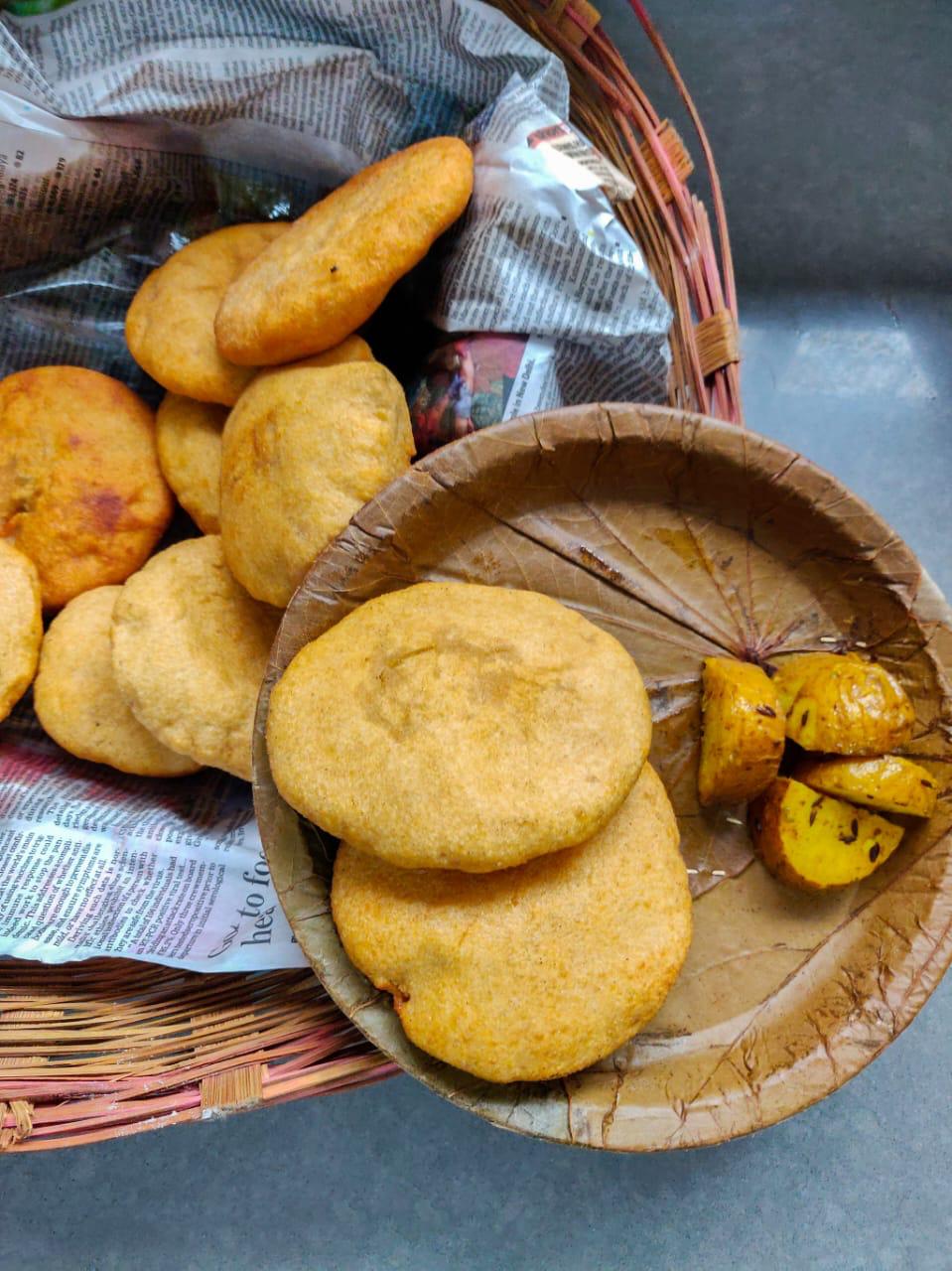
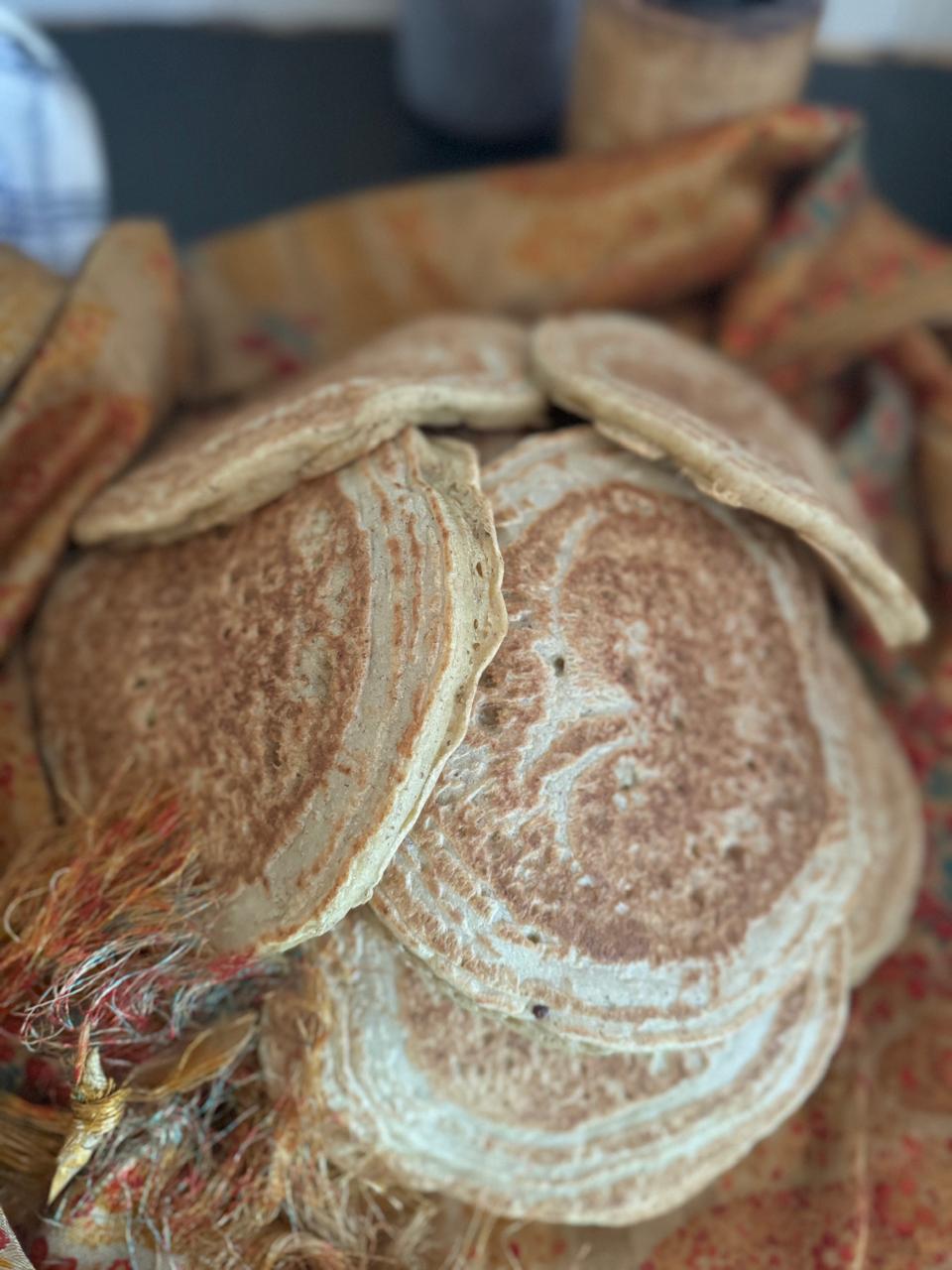
Photos (in order): Bhature; Dham served on the Pattal leaf (from the Sal tree); Tingmo, a Tibetan steamed bread; Trout; Buckwheat roti