Photos by Pankaj Gupta / Text by Sharad Kohli
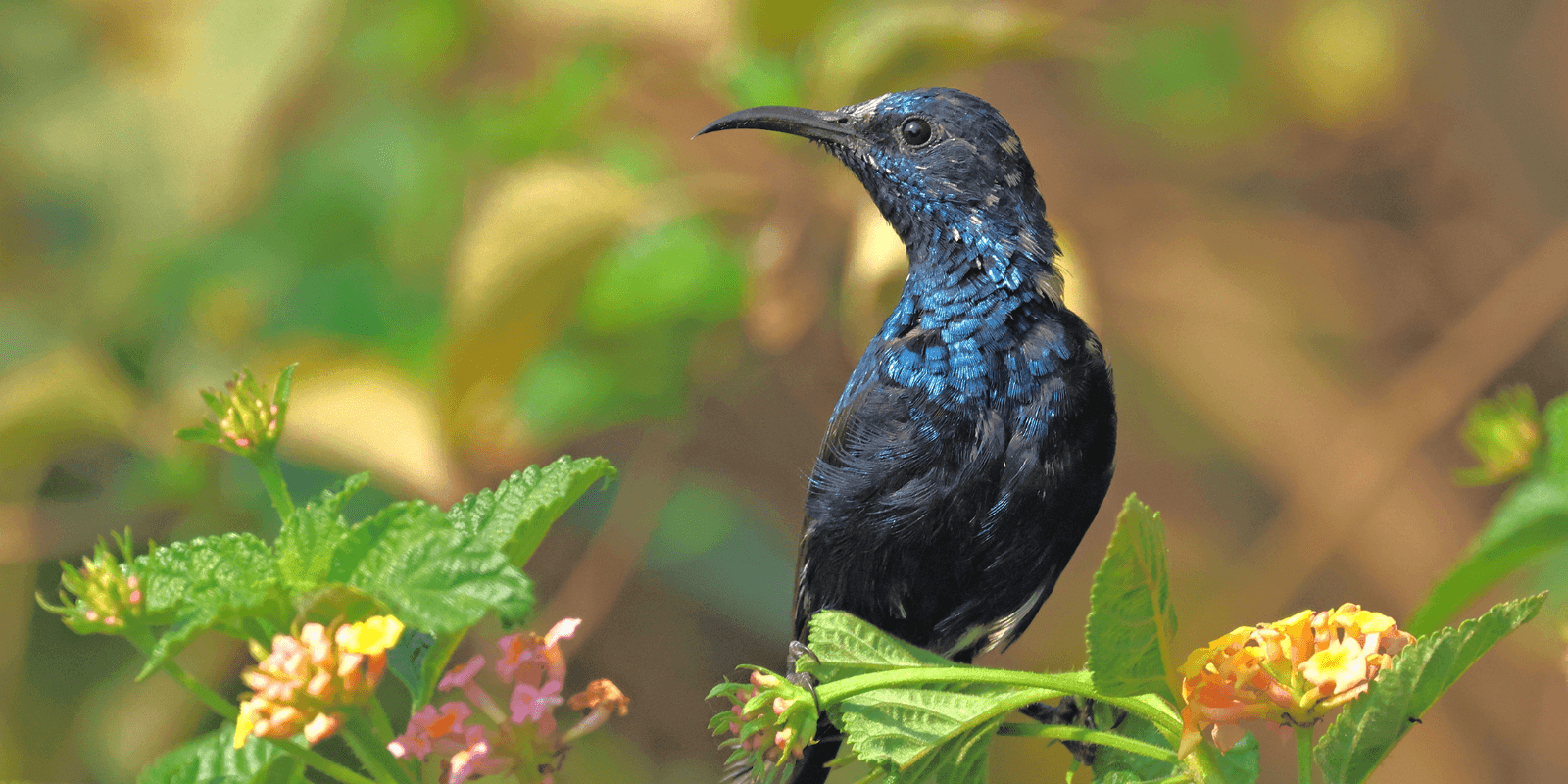
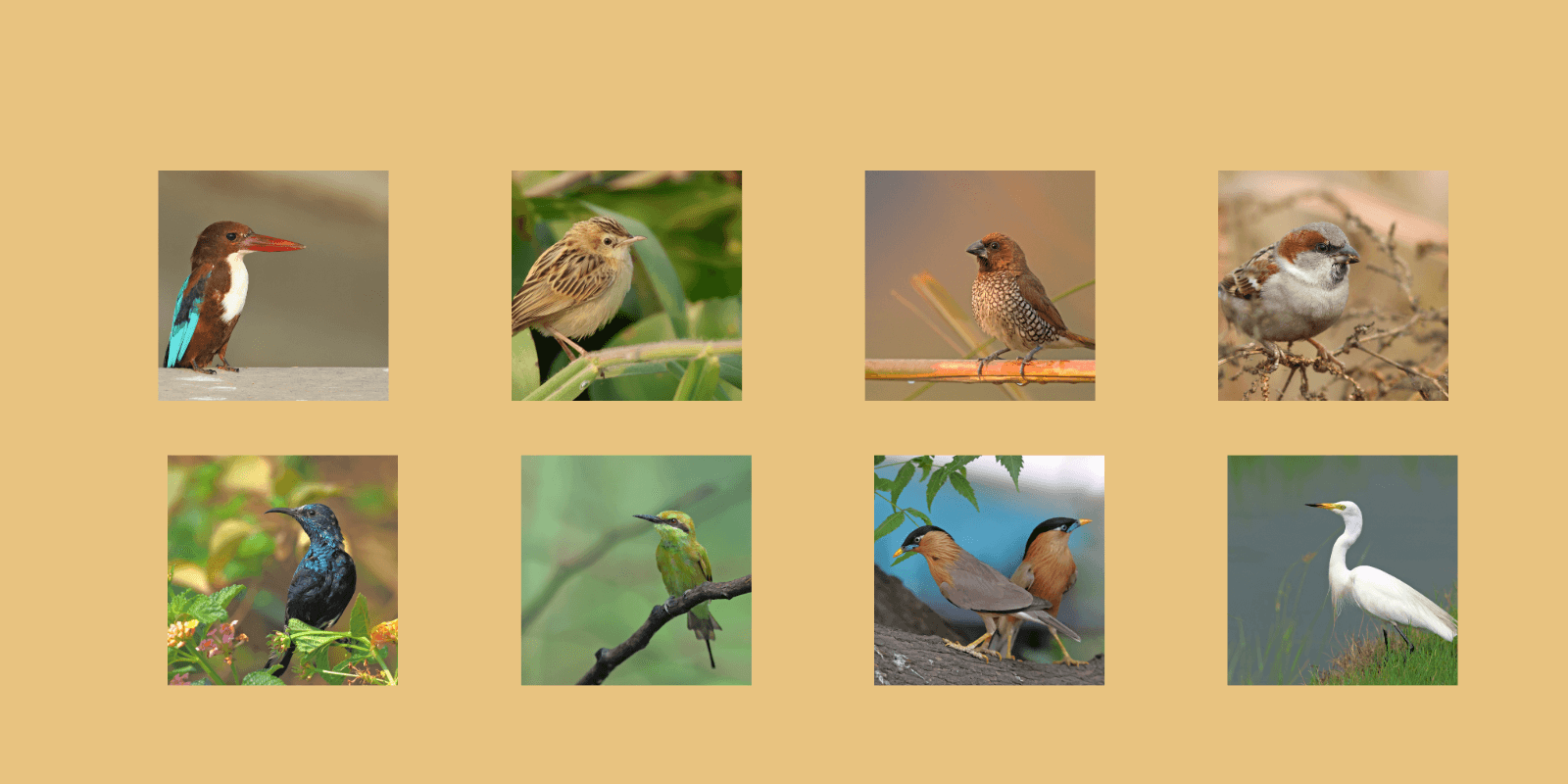
“This is field ecology, ground-up, happening in the middle of one of India’s most important urban spaces,” said Dr Akash Gulalia, one of the senior birders, adding, “The Atlas not only tracks birds, it’s beginning to reshape how we understand urban green spaces.”
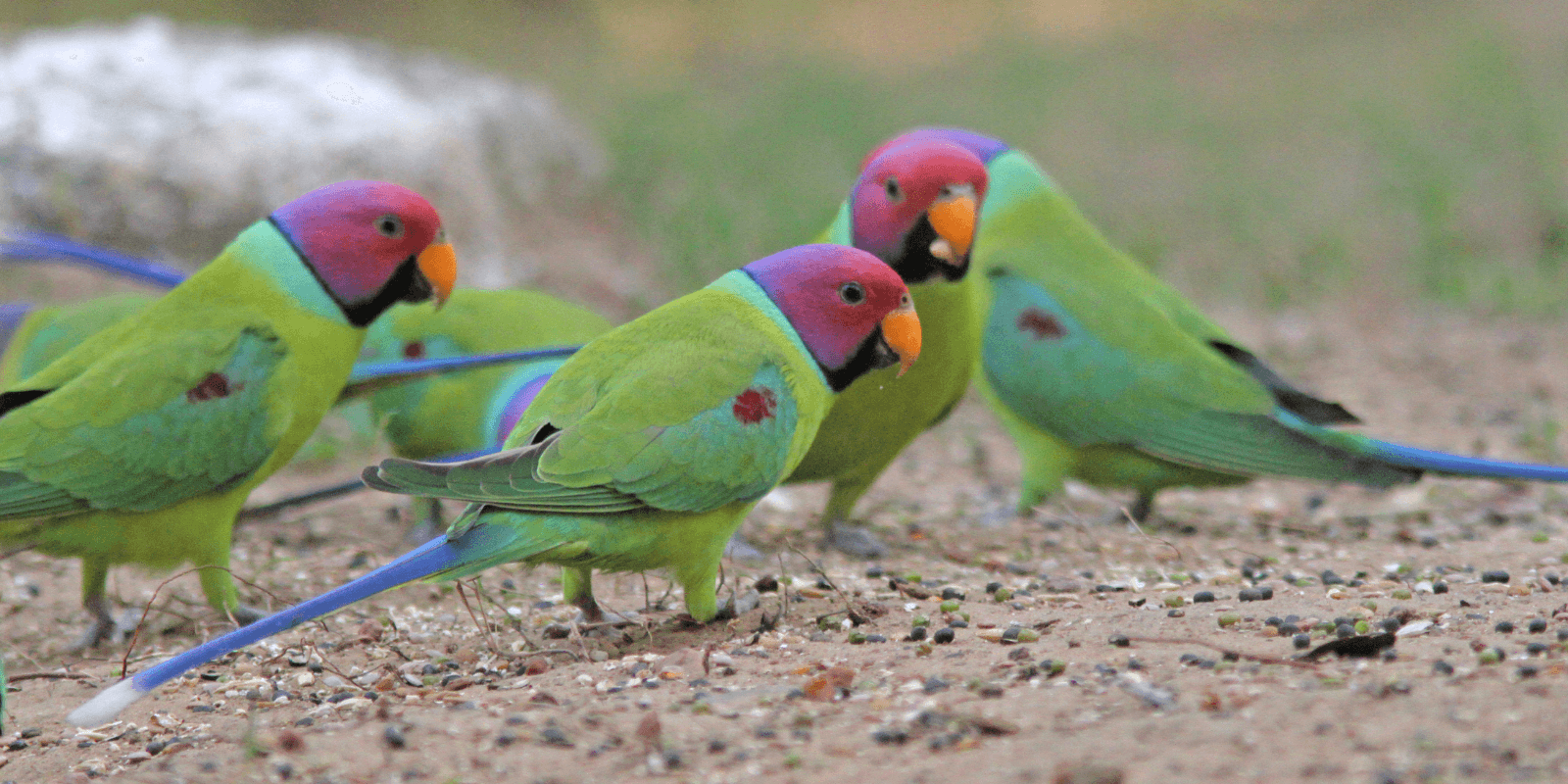
Indeed, the success of the Delhi Bird Atlas project presents us with an opportunity to reconnect with nature, to become citizen-birders and ensure that the green and blue spaces in our cities – forests and parks, ponds and lakes – are safeguarded for the overall well-being of our avian neighbours. After all, isn’t Planet Earth a space we share with them? So, dust off that pair of binoculars, head outdoors, and keep your eyes trained on the stunning variety of birdlife that exists in our midst.
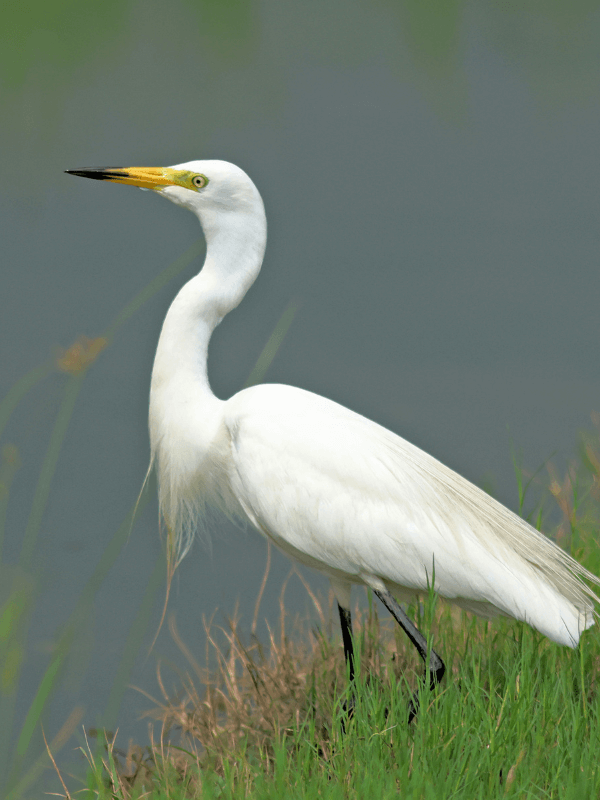
The Delhi Bird Atlas was supported Bird Count India, Delhi Forest Department, WWF-India, delhibird Foundation, Wildlife SOS, Asian Adventures, Dial (Delhi International Airport Limited), and other conservation partners, with a promise to engage more volunteers in its second year
BOX
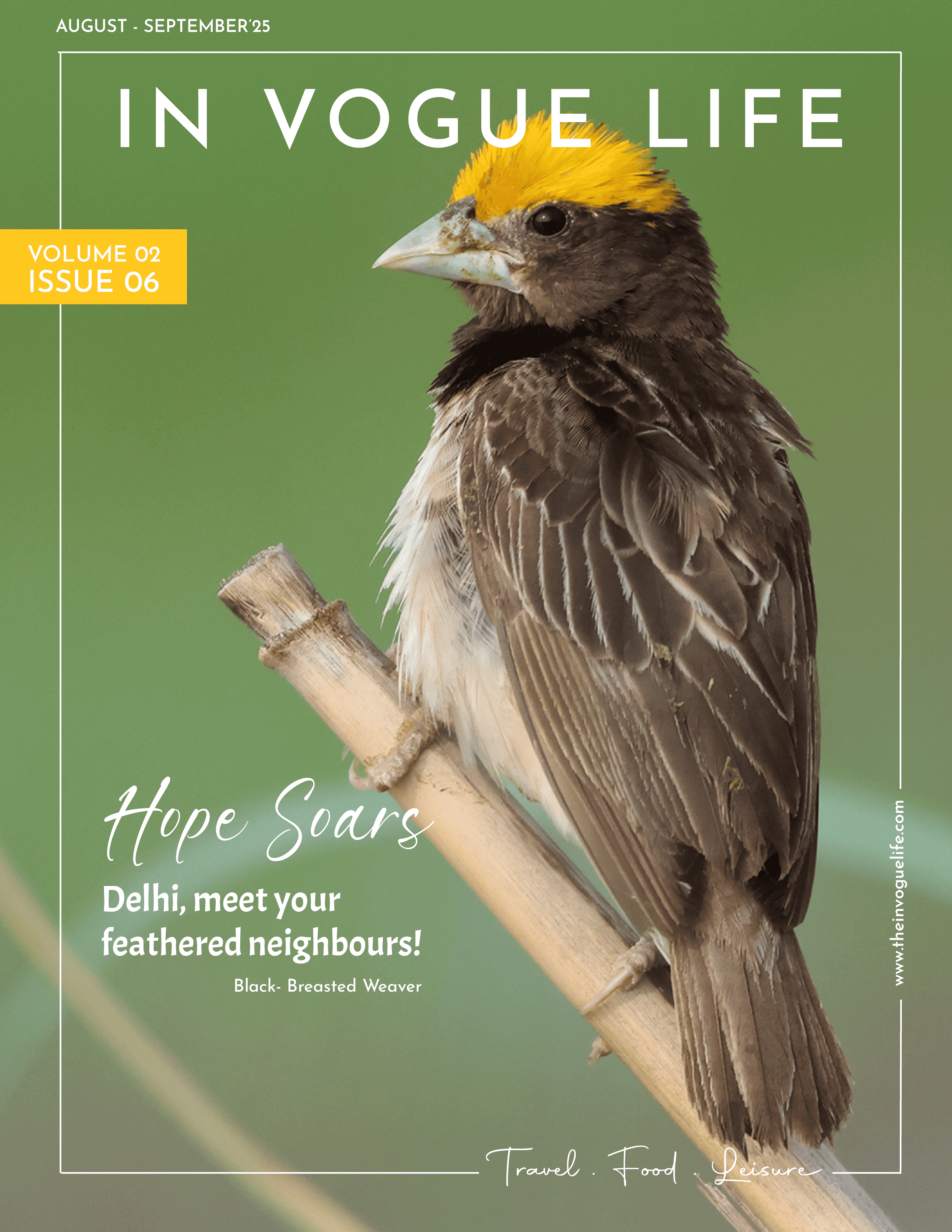
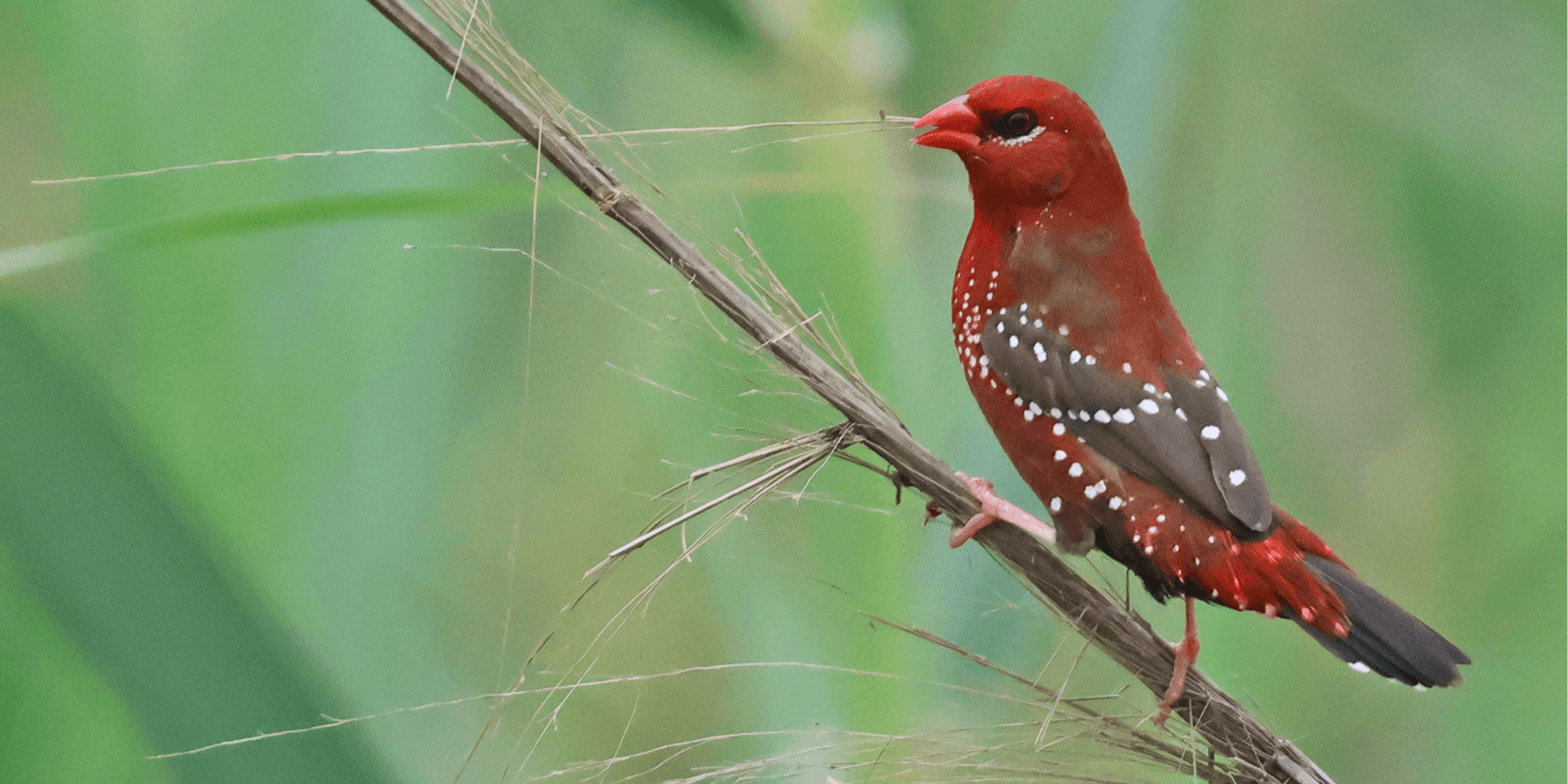
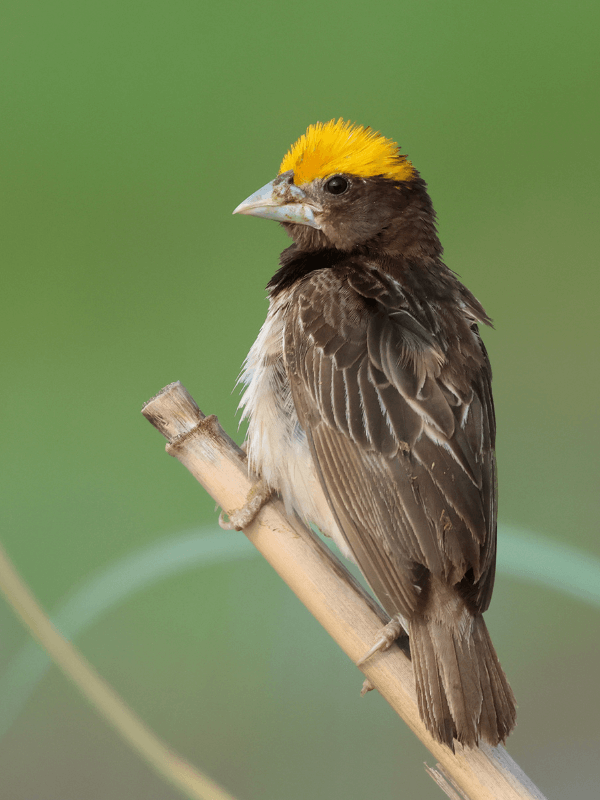
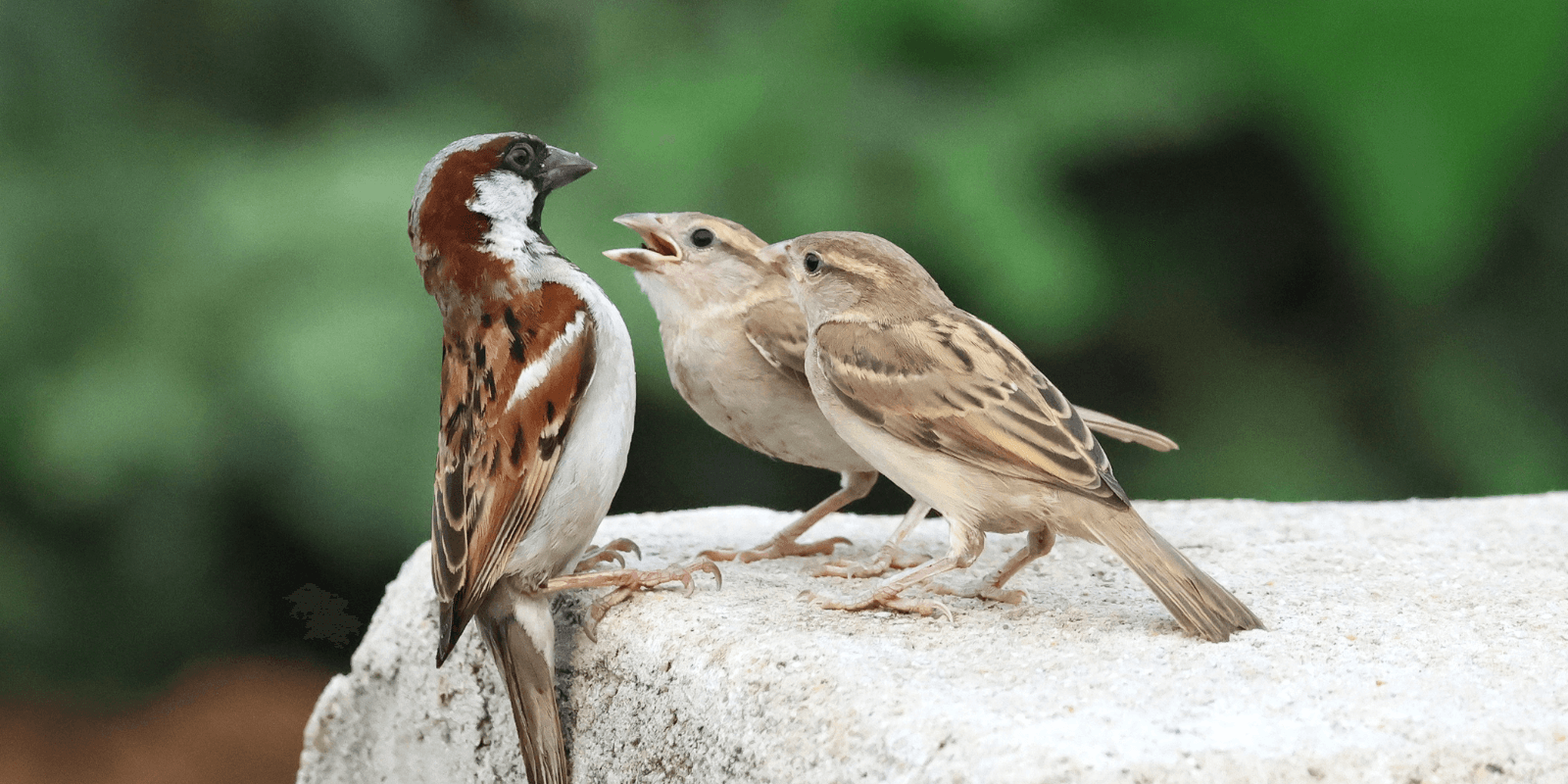
Seen roosting and nesting in (or visiting) Delhi: Black-breasted weaver, Black redstart, Brahminy starling, Cinereous tit, Citrine wagtail, Great egret, Green bee-eater, Grey-headed swamphen, House sparrow, Indian pond heron, Indian spot-billed duck, Intermediate egret, Isabelline shrike, Little ringed plover, Little stint, Long-tailed shrike, Oriental magpie, Pied bush chat, Plum-headed parakeet, Purple sunbird, Red avadavat, Red-breasted flycatcher, Scaly-breasted munia, Shikra, Siberian stone chat, Sind sparrow, Whiskered tern, White-browed wagtail, White-tailed lapwing, White-throated kingfisher, Wire-tailed swallow, Wood sandpiper, Yellow wagtail, Yellow-wattled lapwing, Zitting cisticola
--ends--