Sushma Sampath
I will do it.” This was the small belief my closest trek friend, Jayesh, carried when he set off for the Everest Base Camp (EBC). His prowess and courage was certainly inspiration enough for me and many others to follow in his footsteps.
Beholding the picturesque moments captured through his lens, I stand frozen in time. His story unfolds for me to pen and for you to read. It’s a timeless tale that takes you on a journey to the base camp, where places, nature, food and culture come to life at every stage.
As intimidating as the trek may sound, it isn’t for the timid. Still, one can conquer it with a bit of preparation and determination. Jayesh had no prior technical expertise or mountaineering skills; he only mentioned that the hike is long, and the weather unpredictable and extremely challenging.
The adventure is not something that can be completed quickly. Including a pre- and post-night stay in Kathmandu, it lasts around 14 days, since much of the trek involves traversing uneven and often taxing terrain, which takes time. The duration is the main reason why people don’t commit.
While the Everest Base Camp is an achievable goal for anyone, there are some basic fitness principles you must keep in mind before setting out. Physical strength, training and conditioning, reminds Jayesh, are critical for overweight individuals aiming to conquer EBC. By adopting a measured approach and being mentally prepared, your body can transition from shorter treks to longer hikes, gradually increasing the distance and elevation over time.
You will walk approximately 15km per day, on your way to covering a total of 130km (round trip). You will be trekking on quite rocky and sometimes snowy terrain, and at an altitude that will surely slow down your pace, especially as the topography becomes more arduous as you gain in height. It is a mentally challenging task, one that asks more of your body and mind than typically any other trek. Indeed, elevation is the most demanding aspect of the trek, with every chance of a climber suffering from acute altitude sickness and other related illnesses.
Sights, sounds & thrills
The most iconic and finest hiking experience in the world, the EBC trek is on almost every adventure enthusiast’s to-do list. It takes you through the spectacular Khumbu region of Nepal, a journey embracing snow-capped peaks, ancient monasteries, and charmingly traditional Sherpa villages, culminating at the foot of Mount Everest. It’s a trek that promises the experience of a lifetime, one that connects the quaint yet rich cultural heritage of the Himalayas to its grandeur and beauty.
The trek gets under way after a thrilling if treacherous flight to Lukla (20 minutes from Kathmandu, 2,860 metres above sea level), and goes all the way up to 5,643 metres, at which elevation you can gaze upon the breathtaking Mt. Everest. The peril comes from the runway at Lukla’s Tenzing-Hillary Airport; short, narrow and steep, take-offs and landings here are tricky and action-packed. Allow two days for acclimatisation, which will give your body enough time to adjust to the altitude, and you the opportunity to explore the stunning surrounds.
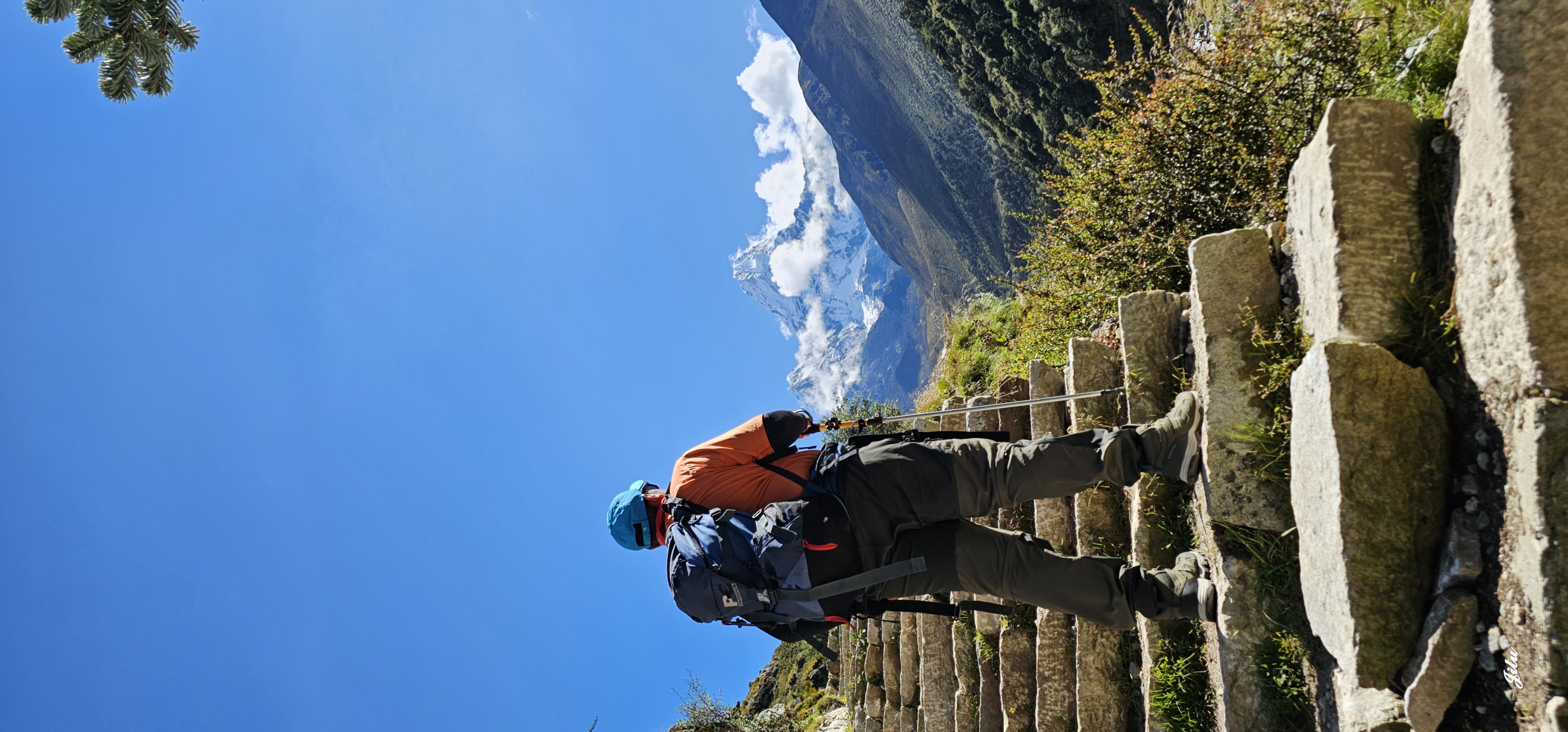
Attempting to summit the world’s tallest peak (8,848m) is a feeling one can only experience; expressing it in words isn’t enough. For anyone with a sense of adventure, the sight of majestic Everest towering above everything else is a dream come true. And on your way up, you’re granted a panoramic view unlike any other, of the other tall peaks: magnificent Lhotse (8,516m), Nuptse (7,861m), Pumori (7,165m), and Ama Dablam (6,812m), to name a few, with every bend unveiling a pretty vista to savour.
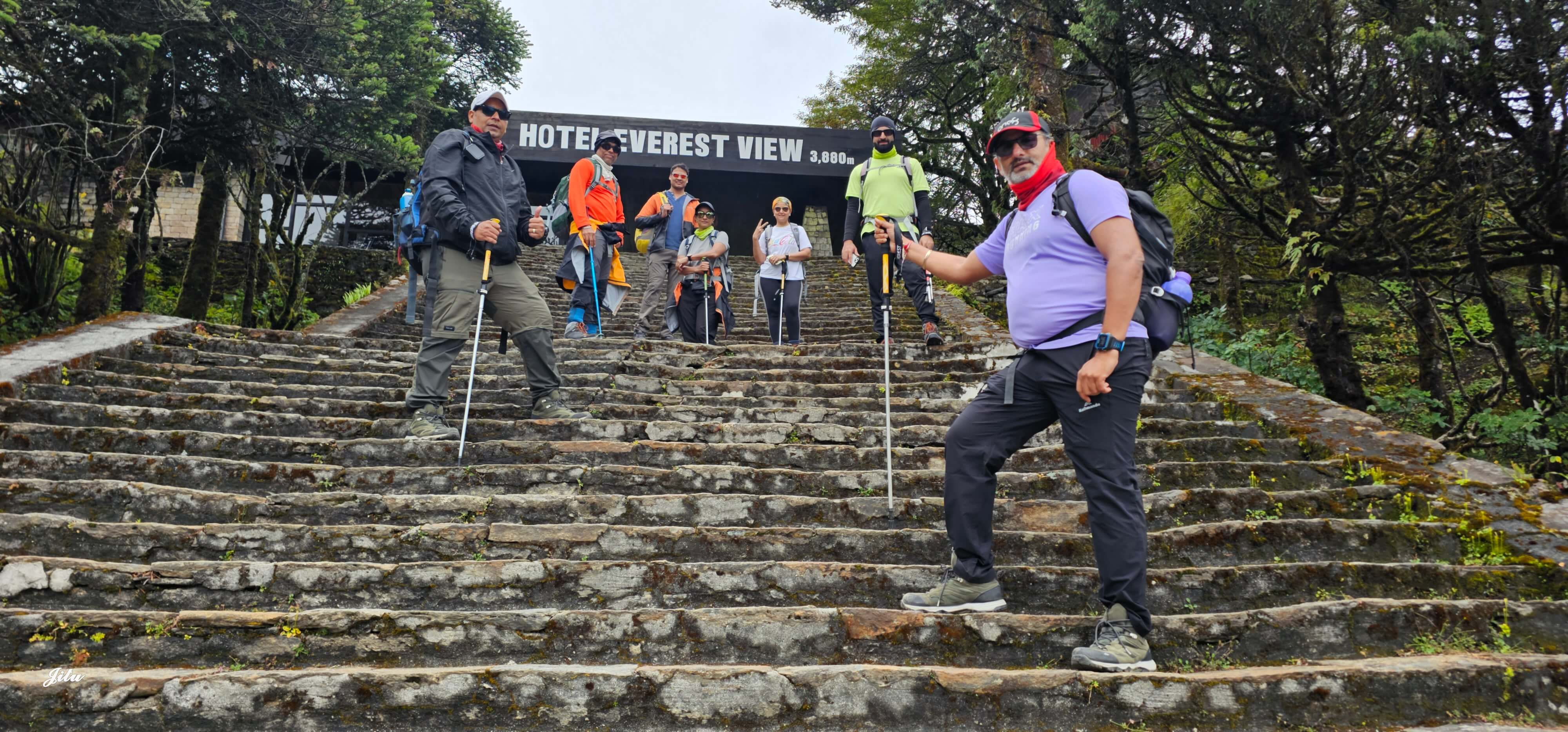
Thankfully, there is plenty to distract you from the rigours of the trek. Such as the vibrant and bustling town of Namche Bazar (3,440m), rich in Sherpa culture, lively markets, and picturesque Himalayan views. Both cultural and economic hub, Namche Bazar is filled with small shops, cafés, and cosy teahouses, and is more than just a resting place and acclimatisation point for trekkers. The teahouses, presenting a colourful décor and cheerful atmosphere, make for a refreshing change from the usual tent accommodation. Don’t miss the chance to try Yak cheese – and for the best Instagrammable sunrise, head to the Everest View Hotel.
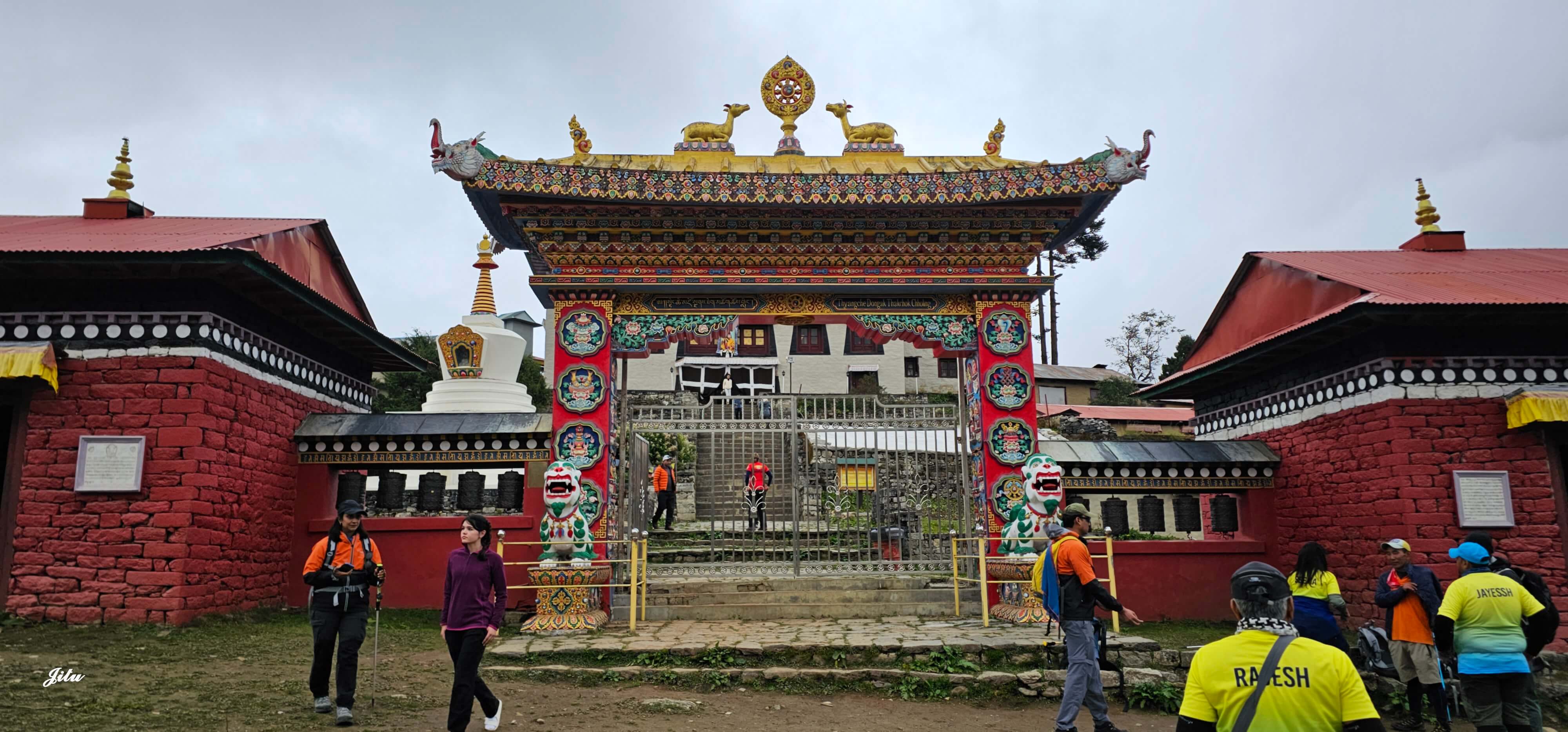
Then there’s tranquil Tengboche Monastery (3,867m), a hub for the Sherpa community and coursing with spiritual energy, where weary adventurers can reconnect with the Himalayas, and rest and reflect amid the rugged but beautiful backdrop.
Kala Patthar (5,643m), the end point of the EBC trek, offers the most brilliant – and the only unobstructed – view of Mount Everest. In fact, Sagarmatha (as the peak is known in Nepal) feels closer than you can imagine. Truly, it feels as if you’re standing on top of the world, with Everest giving you splendid company. Here, you can also marvel at alpenglow, the ethereal phenomenon in which the snow-covered mountains appear to blush in different shades of pink, orange and gold, in the light of the rising and setting sun.
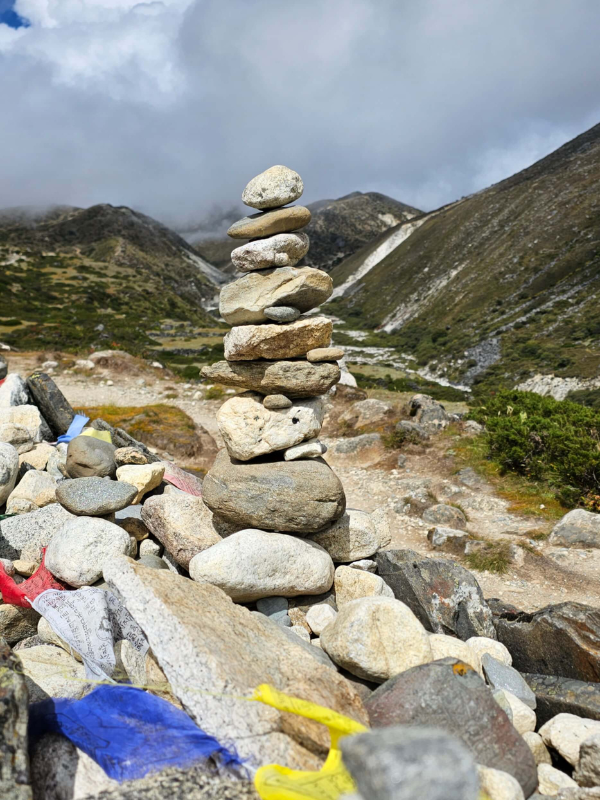
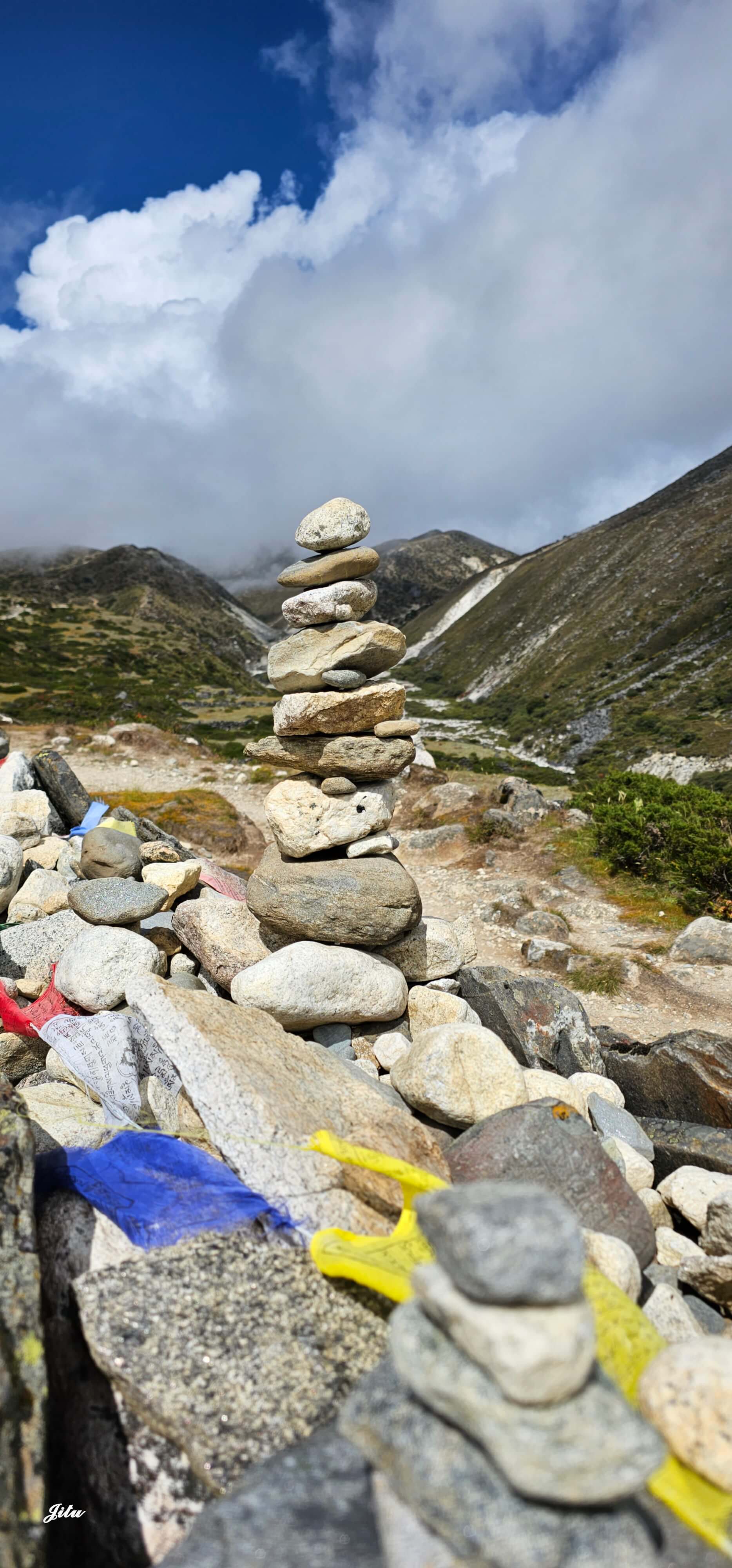
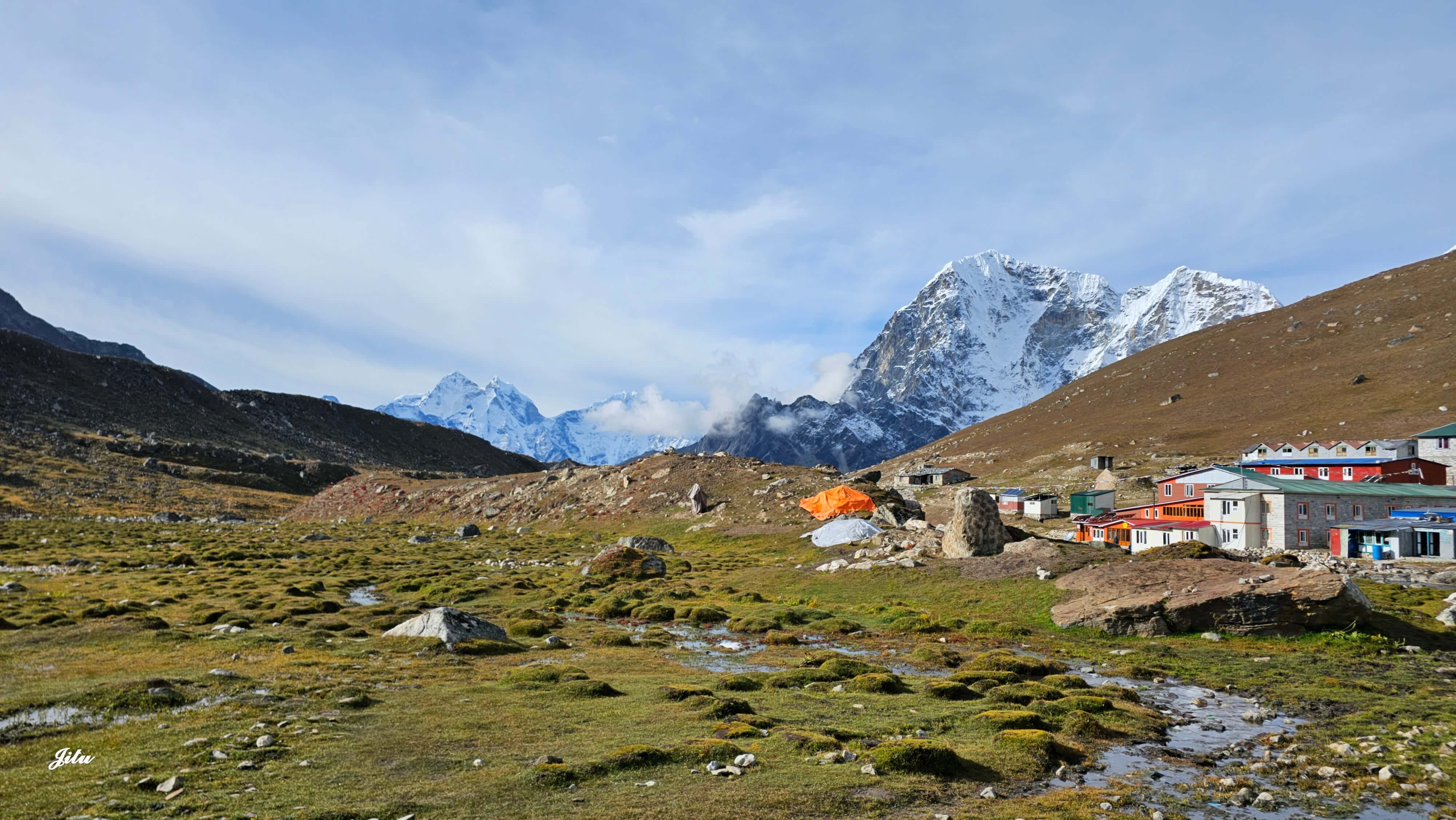
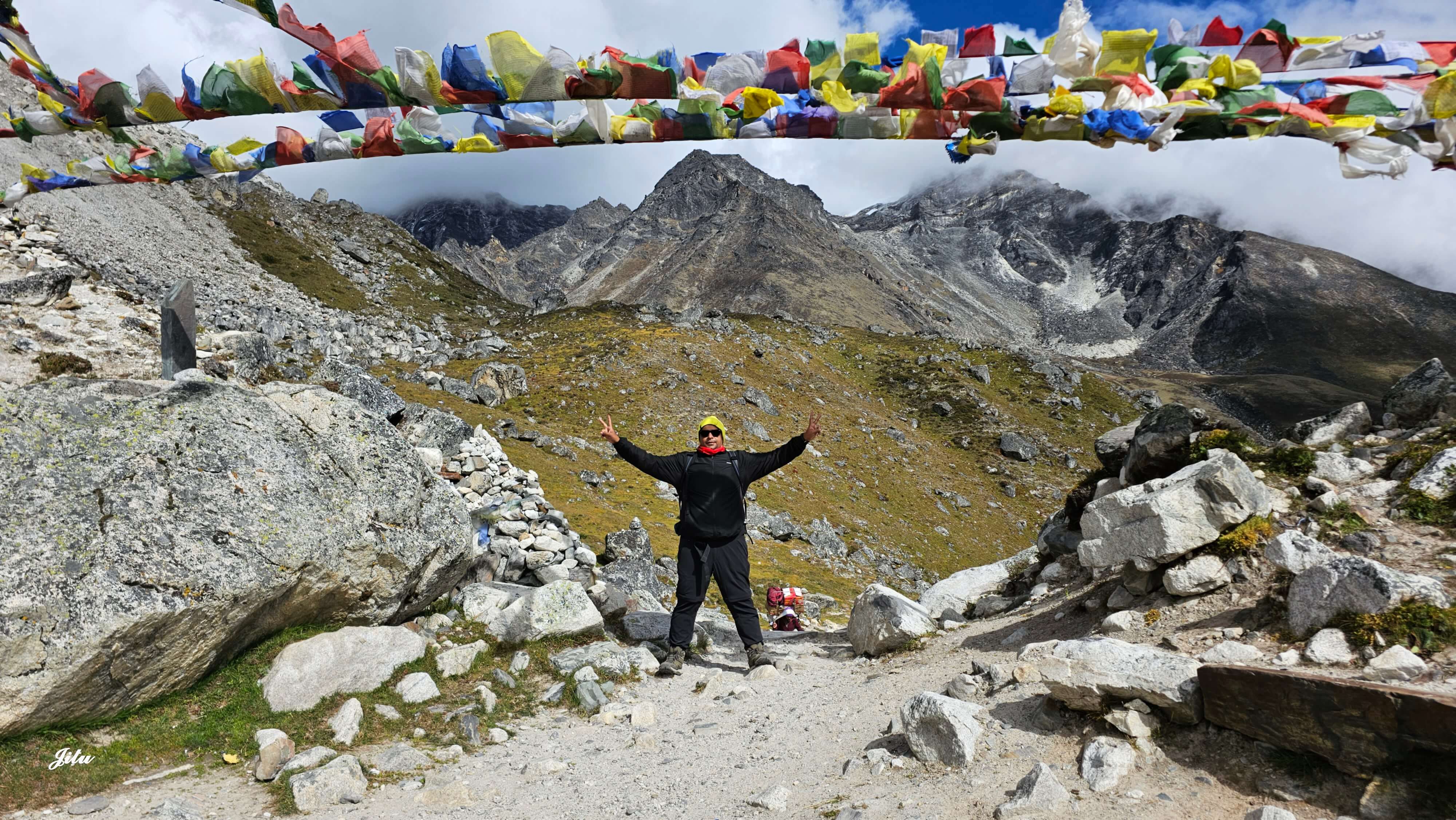
Before reaching Lobuche from Dingboche – right after the Thukla Pass – you’ll come across a hillside dotted with memorials to fallen climbers. It was humbling seeing these plaques commemorating mountaineers who lost their lives chasing their Everest dreams. This is a place to pause and to reflect. Don’t be surprised if you find yourself emotionally overwhelmed in the moment, for many trekkers are (from here, Ama Dablam looks particularly eye-catching).
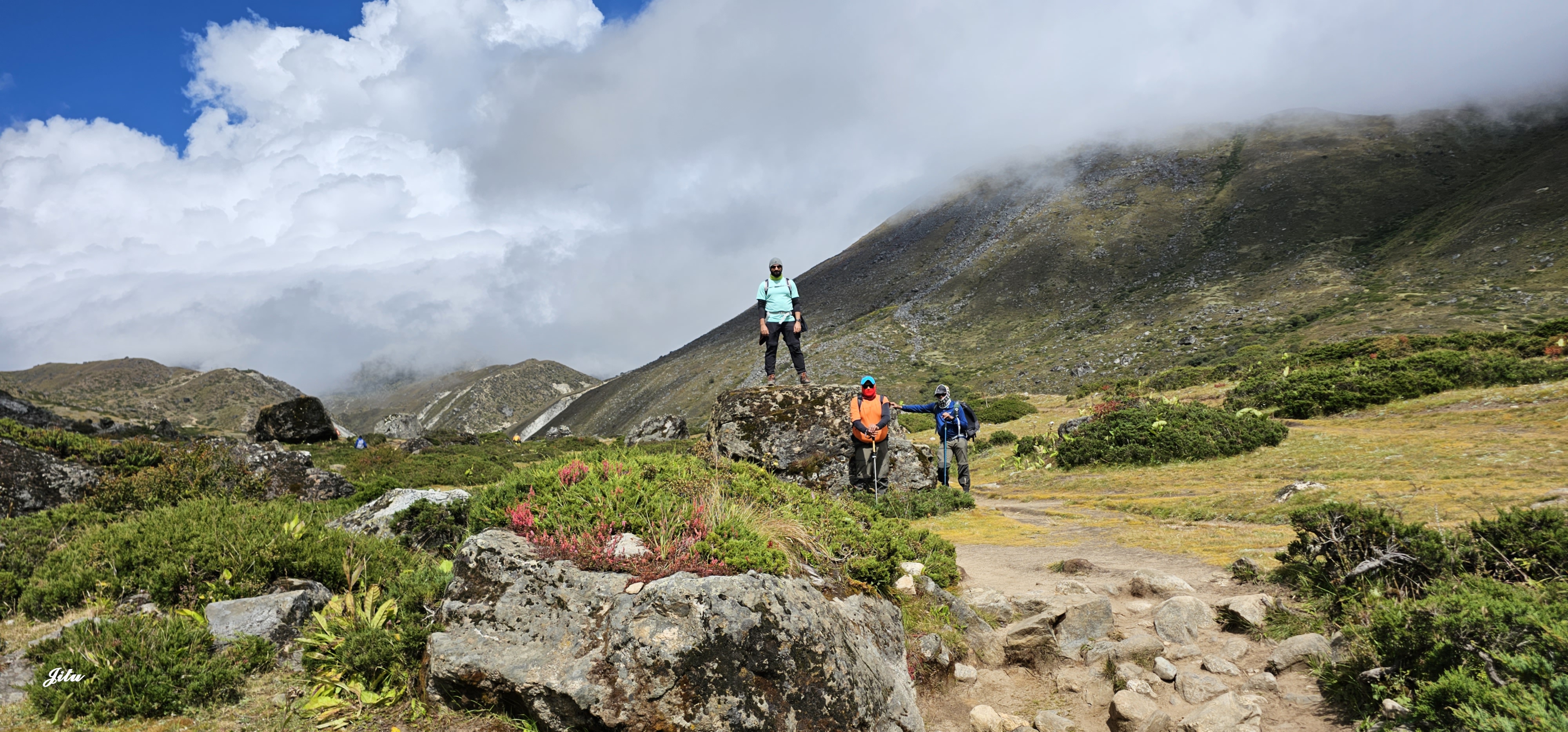
One of the greatest pleasures of the trek is watching the landscape transform as you ascend. From lush forests bursting with rhododendrons and pine trees to barren alpine deserts and glacial moraines and landforms, every day is different from the previous one because the climate is so changeable. And the biodiversity that exists here is truly fascinating.
A dream accomplished
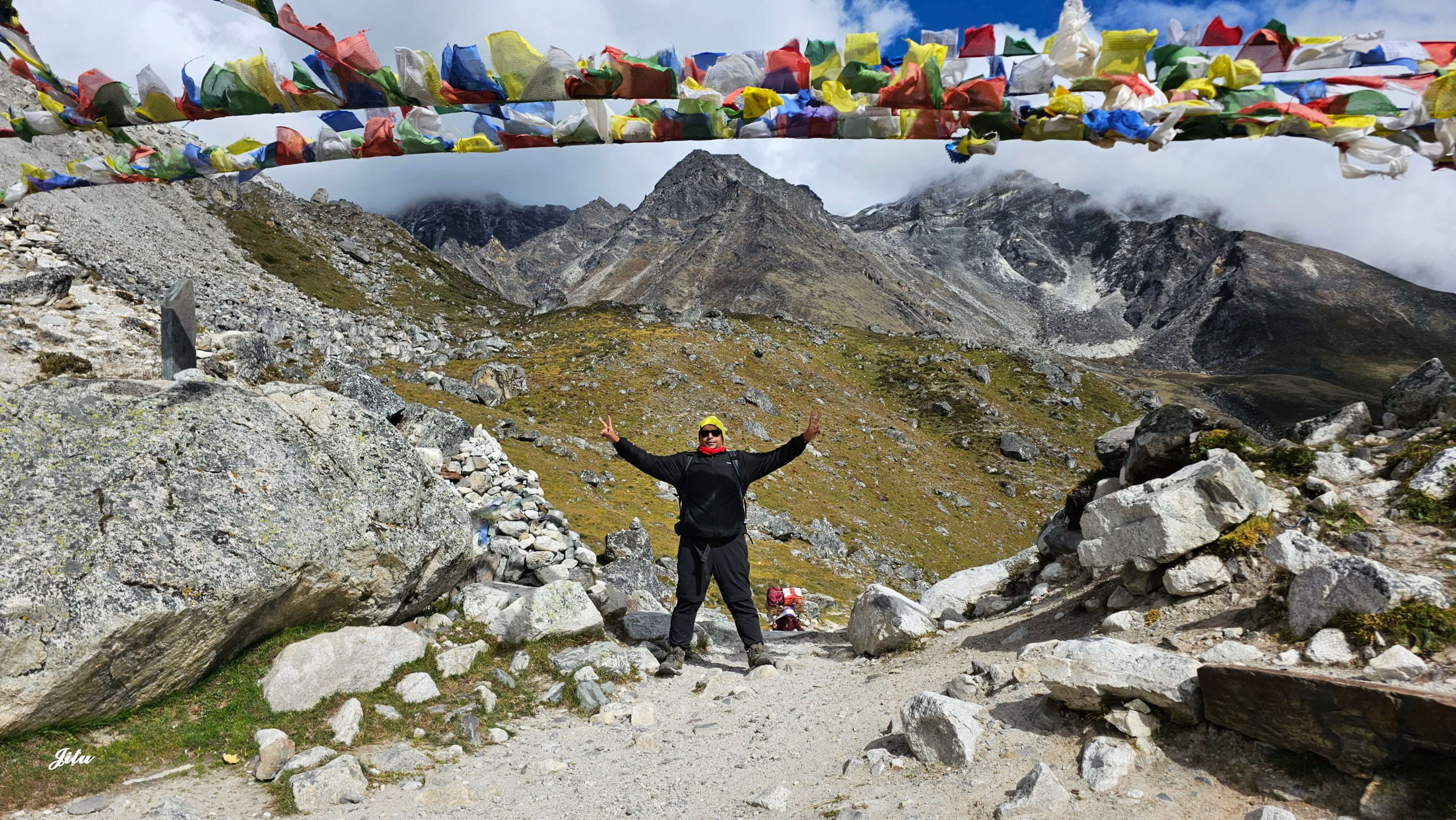
Enhancing the memories of your EBC trek is the culture and hospitality of the Sherpas. You won’t but feel welcome by their humility and resilience, and their open arms and hearts. As you wander through villages like Dingboche, Namche Bazar and Tengboche, you will be greeted by colourful prayer flags and monasteries that vibrate with a sacred energy. It is during such moments when you realise that the trek is more than just a physical endeavour; it is a journey into your soul as much as it’s one into the heart of the Himalayas and its engaging people.
The Everest Base Camp trek is a once-in-a-lifetime quest that tests and transform you emotionally and physically. You realise this when standing at 5,364 metres, next to the base camp, a moment of pride and the perfect opportunity to celebrate yourself.
There might have been times during the journey when you did not believe yourself capable of such an achievement. Still, the only thing you are fixated on, on the way up, are the words: ‘I did it’. You embrace the energy, effort, emotion and pain that it took to help you reach your goal, and while you can’t see Mt. Everest from the base camp, the joy of seeing yourself at the base camp is, nonetheless, precious.
It's a trek that demands resilience, willpower, and the ability to push your limits, but the rewards, self-discovery and personal transformation, are unquantifiable. Every step you take on the craggy trails becomes a lesson learnt. And as you descend, with cherished moments and memories – and emotions as well as a photographic memoir – you begin to appreciate how small our lives are and how great our gratitude must be.
Everest Base Camp can be reached via the North Base Camp (5,150m) in Tibet, and the South Base Camp (5,364m) in Nepal.
--ends--