Karan Puri 27 Jul, 2026
Delhi has never had a shortage of
beautiful restaurants.
Some impress with dramatic interiors.
Others rely on celebrity chefs, elaborate presentations or menus that chase the
latest culinary trend. Walk through Khan Market on any evening and you'll find
no shortage of places promising an "experience."
But every once in a while, you walk into
a restaurant that doesn't feel the need to announce itself.
It simply lets the food do the talking.
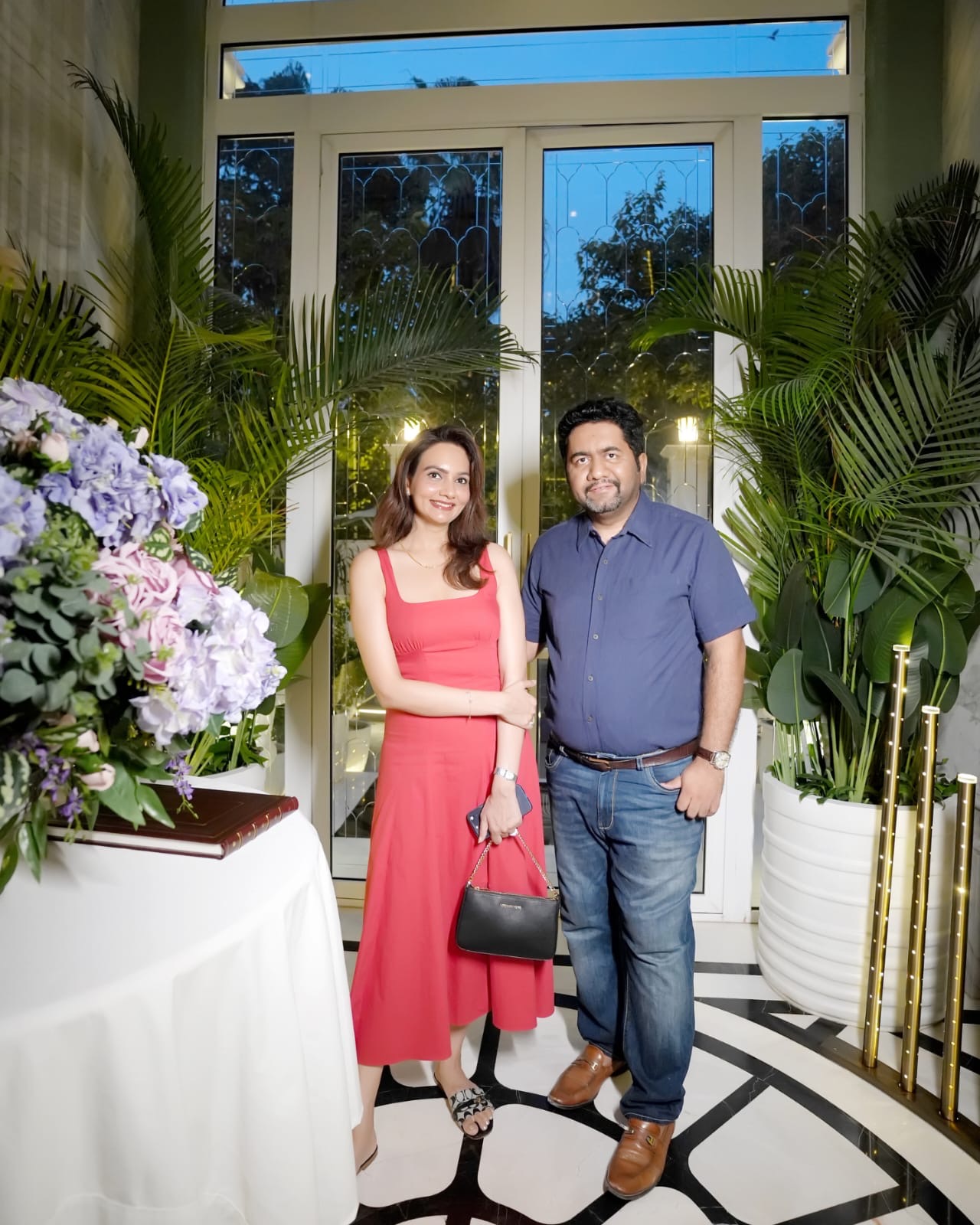
That was my biggest takeaway from an
evening at Louve.
In an age where dining often competes for
attention on social media before it reaches the palate, Louve feels
refreshingly confident. It doesn't try to overwhelm. It invites you to slow
down, appreciate craftsmanship and rediscover why fine dining was never meant
to be loud.
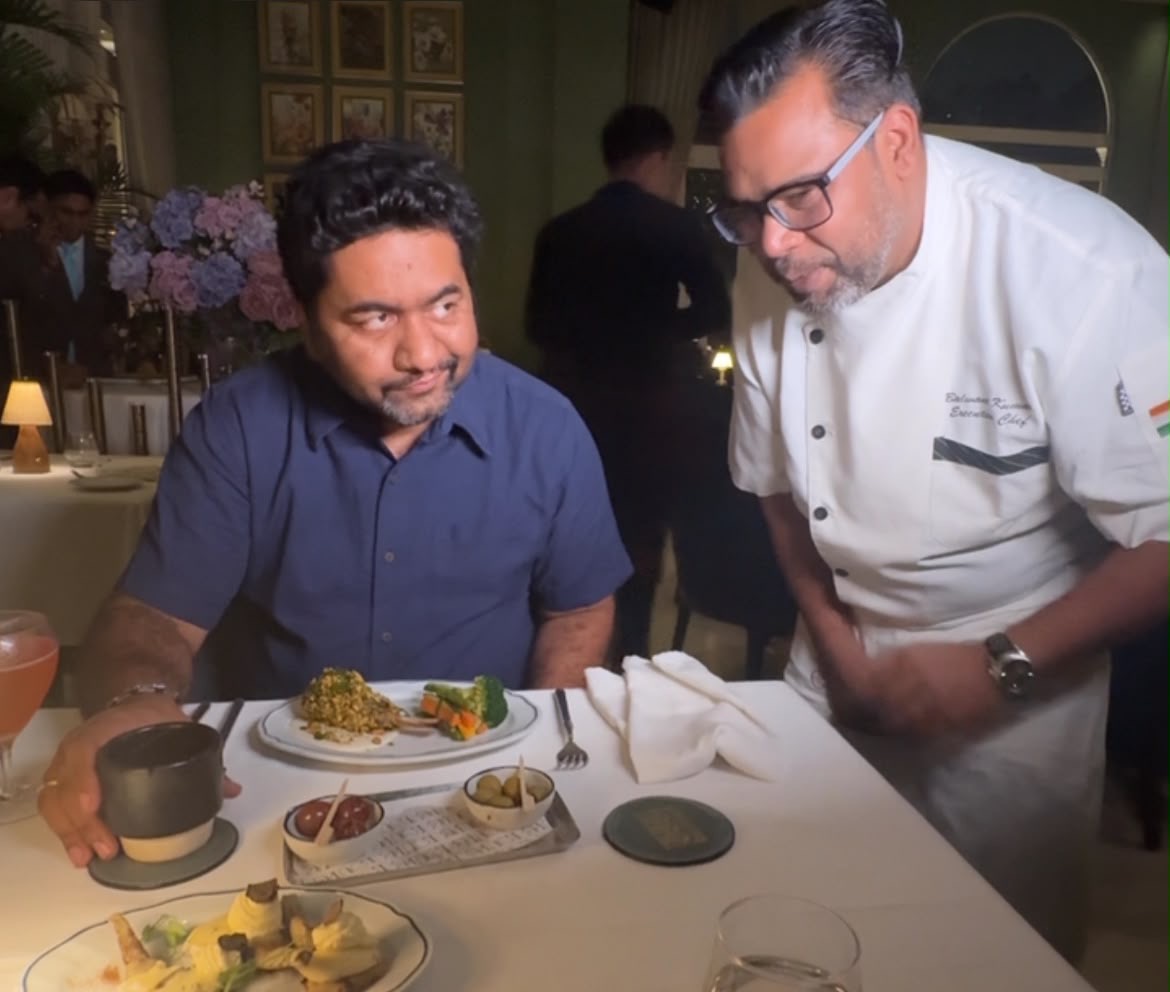
At the heart of this philosophy is Executive
Chef Balwant Kumar, whose nearly two decades in professional kitchens have
shaped a style that is rooted in precision rather than performance. His
journey—from the exacting standards of ITC Maurya to the demanding
environment of Royal Caribbean International—is evident in every detail,
from ingredient selection to execution. Yet what struck me most wasn't his
résumé. It was his restraint.
Chef Balwant often speaks about four
principles—creativity, precision, sustainability and hospitality. Those
aren't merely words on a philosophy statement. They reveal themselves quietly
through the menu, course after course.
The meal began with two soups that
immediately established the restaurant's intent.
The Minestrone Soup was bright,
comforting and wonderfully layered, with seasonal vegetables, orzo pasta and a
fragrant black bean element, finished elegantly with Parmesan foam on the side.
It felt familiar yet thoughtfully refined. Alongside it, the Chicken &
Leeks Soup offered a completely different expression—silky leek and potato
balanced beautifully by a delicate chicken consommé and the welcome crunch of
celery crisps. Neither dish relied on excess. Instead, they demonstrated the
confidence that comes from understanding balance.
If the soups introduced the philosophy, the appetisers revealed Chef Balwant's personality.
The Truffle Brie Crostini was
indulgent without becoming heavy. Creamy brie, mascarpone and truffle sat
comfortably on crisp golden bread, each ingredient complementing rather than
competing with the next. The Grilled Oyster Mushroom, resting on velvety
potato cream with persillade and chilli oil, proved that vegetables can command
attention with the same authority as any protein. Smoky, earthy and deeply
satisfying, it was one of those dishes that quietly lingers in your memory.
The standout, however, was the Pistachio
Lamb.
Perfectly cooked, wrapped in a delicate
pistachio crust and paired with a smooth celeriac fondue and praline crunch, it
achieved something I always admire in good cooking—complexity without
confusion. Every element had a reason to be on the plate. Nothing felt
ornamental.
Salads are often treated as obligatory
pauses between courses.
At Louve, they deserve equal attention.
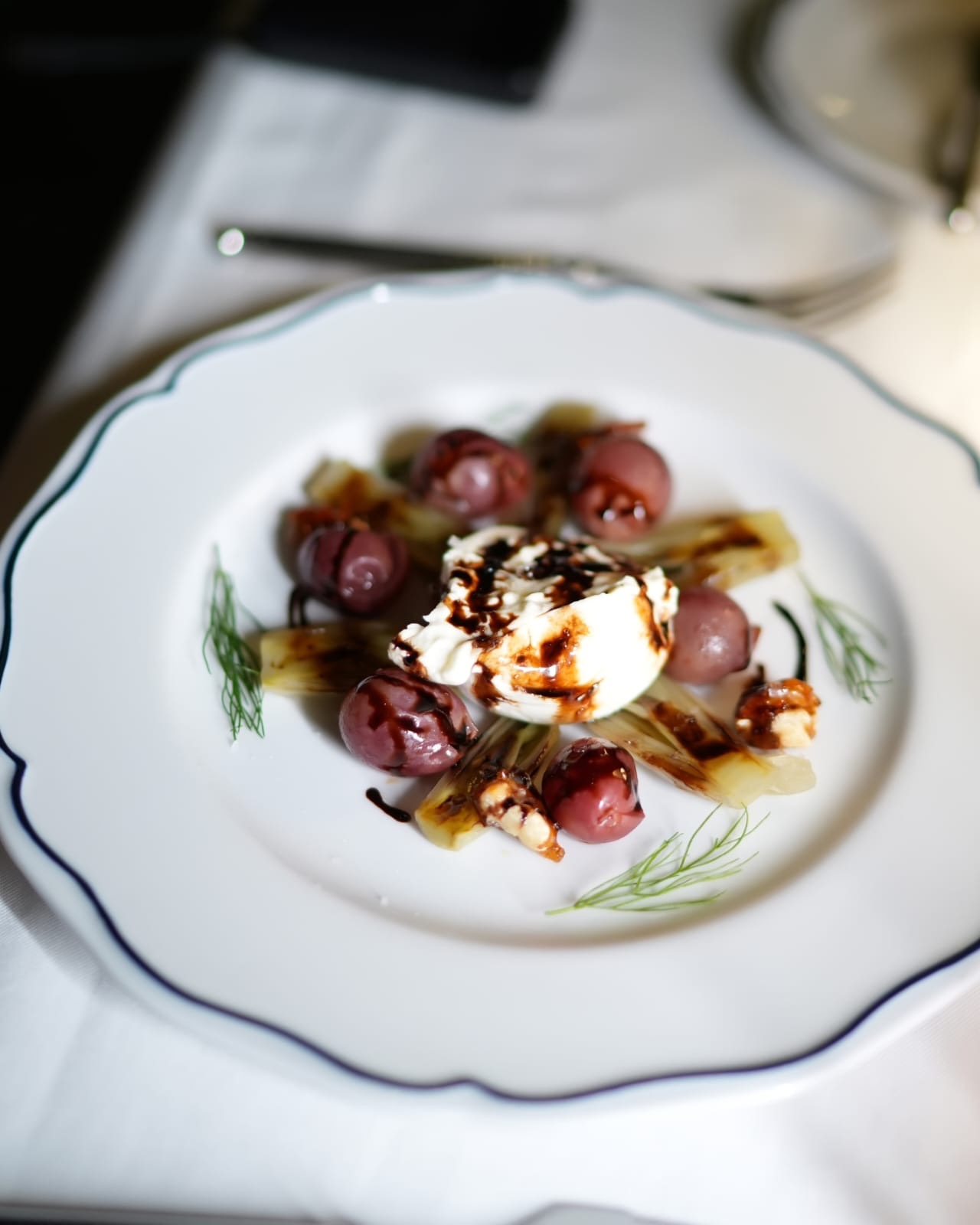
The Burrata with Grapes paired
creamy burrata with roasted fennel, sweet grapes and aged balsamic in a
combination that was elegant, refreshing and beautifully composed. It was less
about contrast and more about harmony. The Poached Baby Chicken Salad,
meanwhile, balanced olives, cherry tomatoes, arugula and a restrained balsamic
mayonnaise to create something remarkably light yet deeply flavourful. It
reminded me that simplicity is often the hardest thing to execute well.
The main course continued that narrative.
The Lasagna Quattro Formaggi
avoided the heaviness that often accompanies cheese-forward dishes. Layers of
silky pasta, kale, potato and four carefully balanced Italian cheeses came
together with surprising finesse, delivering richness without fatigue. It was
comfort food viewed through a fine-dining lens.
Wrapped in crisp puff pastry, accompanied
by Parmesan-torched mash, grilled asparagus and a cognac-caper sauce, it
embodied everything I appreciate about classical European cooking. The pastry
retained its integrity, the salmon remained beautifully moist and the sauce
elevated rather than dominated the dish. It was technically accomplished, yet
never intimidating.
What impressed me most throughout the
meal wasn't a single course.
It was consistency.
Every plate reflected an understanding
that luxury isn't created by adding more ingredients. It is created by making
every ingredient count.
That philosophy mirrors Chef Balwant's own definition of fine dining—not as an exercise in extravagance, but as "the disciplined pursuit of perfection, the elevation of raw ingredients and the orchestration of an experience that lingers long after the final course." After spending time with his menu, I couldn't think of a more fitting description.
Restaurants often speak about
storytelling.
At Louve, storytelling happens quietly.
It happens through the confidence to let
seasonal produce shine.
Through classical techniques that never
overshadow flavour.
Through service that feels attentive
without becoming intrusive.
And through a menu that respects European
culinary traditions while allowing its own personality to emerge.
As a food writer and restaurant
consultant, I often ask myself a simple question after every memorable meal:
"Would I come back?"
The answer, in Louve's case, arrived
somewhere between the first spoonful of the Minestrone and the final bite of
the Salmon Wellington.
Not because the meal tried to surprise me
at every turn.
But because it reminded me that true fine
dining has never been about spectacle.
It has always been about intention.
In a city constantly chasing the next big
opening, Louve has chosen a quieter path.
One built on precision.
One built on patience.
One built on genuine hospitality.
And perhaps that is exactly what makes it
one of Delhi's most rewarding dining experiences today.